Gambling Regulatory Authority of Kenya Plans to Introduce License for Prediction Markets

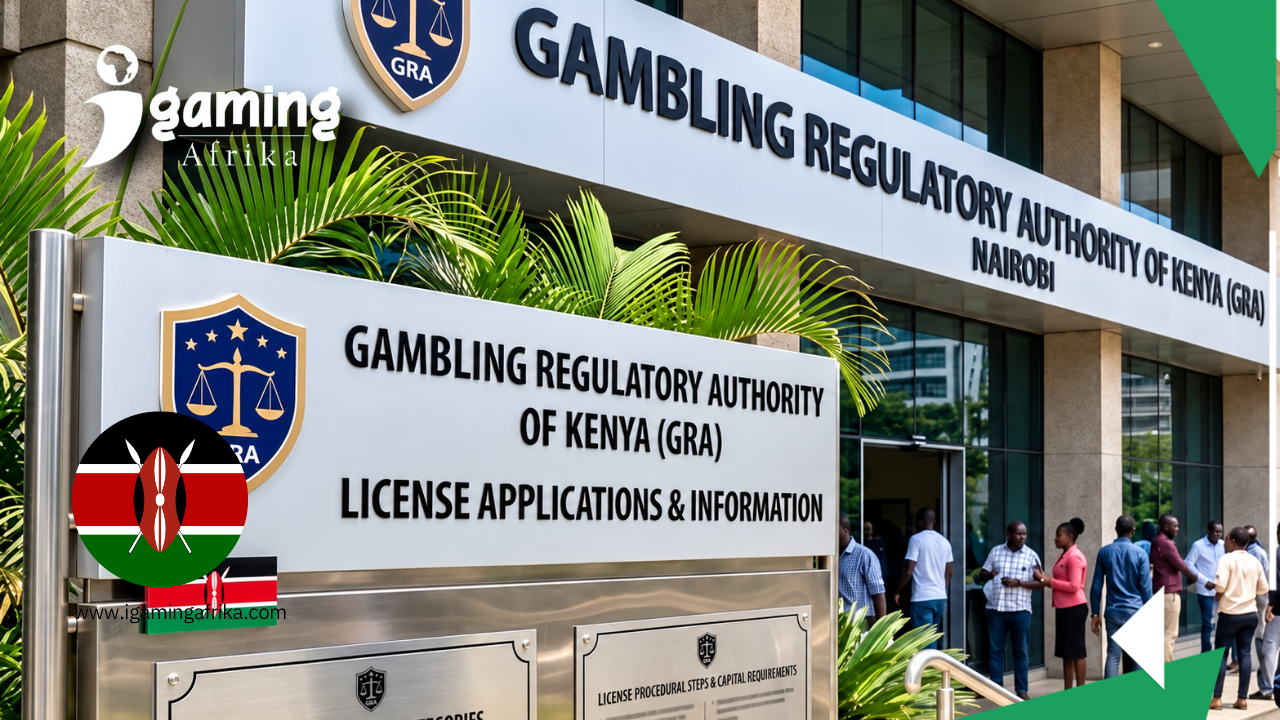
Kenya’s Gambling Regulatory Authority (GRA) plans to establish a special license category for prediction markets in order to create a more precise structure for platforms that offer contracts on future events.


The proposed license raises concerns about the regulation of prediction markets related to sports, elections, and economic indicators, especially in instances where platforms use cryptocurrencies or operate globally.
According to Global Gaming Insider, which cited an interview with GRA director general Peter Karimi that was published by Business Daily on October 18, the GRA has launched its 2026–2027 licensing period and a number of companies have contacted them regarding the proposed category. Neither the implementation date nor the application requirements have been disclosed by the regulator.
Read Also: Mali Finance Minister Calls for Transparency and Responsible Gambling at AES Lottery Betting Launch






According to Karimi, the GRA views prediction markets as gambling since they deal with future events. “The interpretation of the GRA is that gambling involves primarily games of chance and prediction by definition is about outcomes that are in the future, and therefore no skill is required,” he said, outlining the authority’s stance.
The Gambling Control Act of 2025 lists licenses for online bookmakers, online lotteries, and online casinos; other categories may be specified through regulations. The GRA may be able to create a distinct prediction-market category using this legislative path. For these systems, the authority has not released any precise license criteria, though.

Control systems and methods pertaining to payments, age verification, advertising and regulatory access to transaction data are covered by current online gambling regulations. Karimi noted that the GRA is also looking at cryptocurrency payments and cross-border access as unique concerns. According to him, certain services are only available in the US, while others accept cryptocurrencies for withdrawals and onboarding.
On October 18, Business Daily revealed that Kenyan users were already taking part in 5050 Markets, EvenMarket and Spreadhit despite being not licensed.