Senegal Implements 20% Tax on Player Gambling Winnings

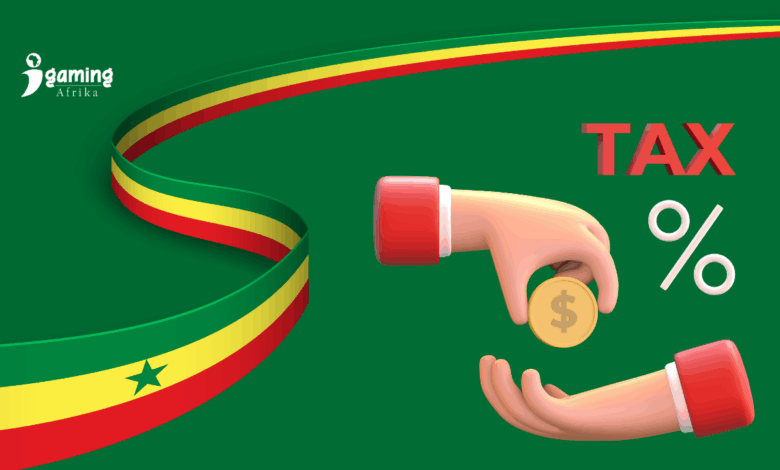
Senegal has officially introduced a 20% tax on gambling winnings, marking a significant shift in the country’s gaming landscape. The measure, rolled out in November 2025 under Law No. 17/2025, applies to both land-based betting outlets and online platforms.


“The Senegalese National Lottery (LONASE) informs its valued customers that, in accordance with Law No. 17/2025, a 20% tax will now be applied to winnings from games sold on the physical sales network, starting Saturday, 1 November 2025, and on the digital channel, starting in mid-November 2025,” said LONASE in a notice.
The tax is applied directly at payout, meaning that players automatically receive 80% of any prize they win, with the remaining 20% directed to the state. Authorities say the levy is part of a broader strategy to improve financial oversight of gambling activities, ensure traceability of transactions, and support national development projects through additional public funding.
Read Also: Zimbabwe Introduces 20% Gambling Tax Amid Rapid Growth in Online Betting



The announcement triggered swift reactions from the country’s betting community. Many players criticized the measure as excessively punitive, arguing that it reduces the appeal of regulated gambling. Within days of implementation, organized associations of bettors called for a 72-hour nationwide boycott, which most of the major players referred to as “point-blank exploitation”. Early reports indicate a noticeable drop in participation, highlighting the potential short-term disruption to the sector.
One such bettor told iGB, “I can tell you that the majority of the bettors will no longer visit retail operators, because no one wants 20% of a win ripped off in the name of scam-tax. It is unfair and maybe the black market operators will welcome a lot of new customers in the coming days.” Officials have however, defended the new tax as a necessary reform to bring fairness and transparency to a previously under-taxed sector.