The Confédération Africaine de Football (CAF) has decided to reinstate the Africa Cup of Nations (AFCON) as a biennial tournament, marking a major adjustment in continental football.


Following a period of strategic re-evaluation, African football’s governing body has recognized that maintaining a four-year cycle posed significant financial and operational challenges. By returning to a two-year schedule, CAF aims to secure essential revenue streams, protect player interests, and reinforce the event’s role as a major cultural anchor across the continent.
During the CAF Strategy Conference held in Cabo Verde from 7 to 9 October 2026, CAF President Dr. Patrice Motsepe announced that the Executive Committee would formally review the previous year’s decision to hold AFCON every four years. This review began the process of restoring the tournament’s traditional two-year schedule.
Following these initial deliberations, the CAF Executive Committee convened on Thursday, 29 October 2026, and unanimously passed a resolution to return AFCON to its two-year format. This unanimous vote underscored a consensus among the leadership that the quadrennial structure did not align with the immediate financial and administrative realities of African football.






“The decision by the CAF EXCO that the CAF AFCON should take place every Two Years was based on advancing, protecting and promoting the interest of African Football and CAF’s 54 Member Associations, as well as the interest of African players employed by Football Clubs outside Africa,” said Dr. Patrice Motsepe, CAF President.
A primary catalyst for shifting back to this schedule was the economic shortfall associated with the proposed alternative competition, the Africa Nations League. Intended as a pan-African tournament running every two years in place of AFCON, the Nations League was designed to match AFCON’s frequency while allowing the flagship competition to transition to a four-year cycle.

However, comprehensive administrative reviews revealed that establishing the Africa Nations League would require several years before it could generate the substantial financial resources necessary to support CAF competitions. Without these funds, African football faced difficulties maintaining global competitiveness and financial self-sufficiency.
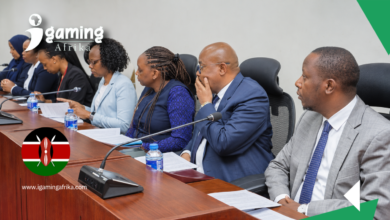
To accommodate the international football calendar and avoid clashing with the FIFA World Cup, CAF established a modified roadmap for the tournament. Kenya, Tanzania, and Uganda will jointly host the TotalEnergies CAF AFCON 2027, followed by the 2028 edition. The tournament will then pause in 2030 to respect the FIFA World Cup calendar before resuming in 2031 and continuing on a biennial schedule with the 2033 edition.
“The AFCON competition is also about celebrating African Football and Africa’s rich and diverse cultures, customs and traditions and bringing people together from Africa’s 54 Countries, the African Diaspora and throughout the world. The CAF EXCO decision is in the best interest of African Football and CAF’s 54 Member Associations and will also contribute significantly to the development and growth of football in Africa.” he said.