AGOK Recommends a 20% GGR Tax on Land-Based Casinos

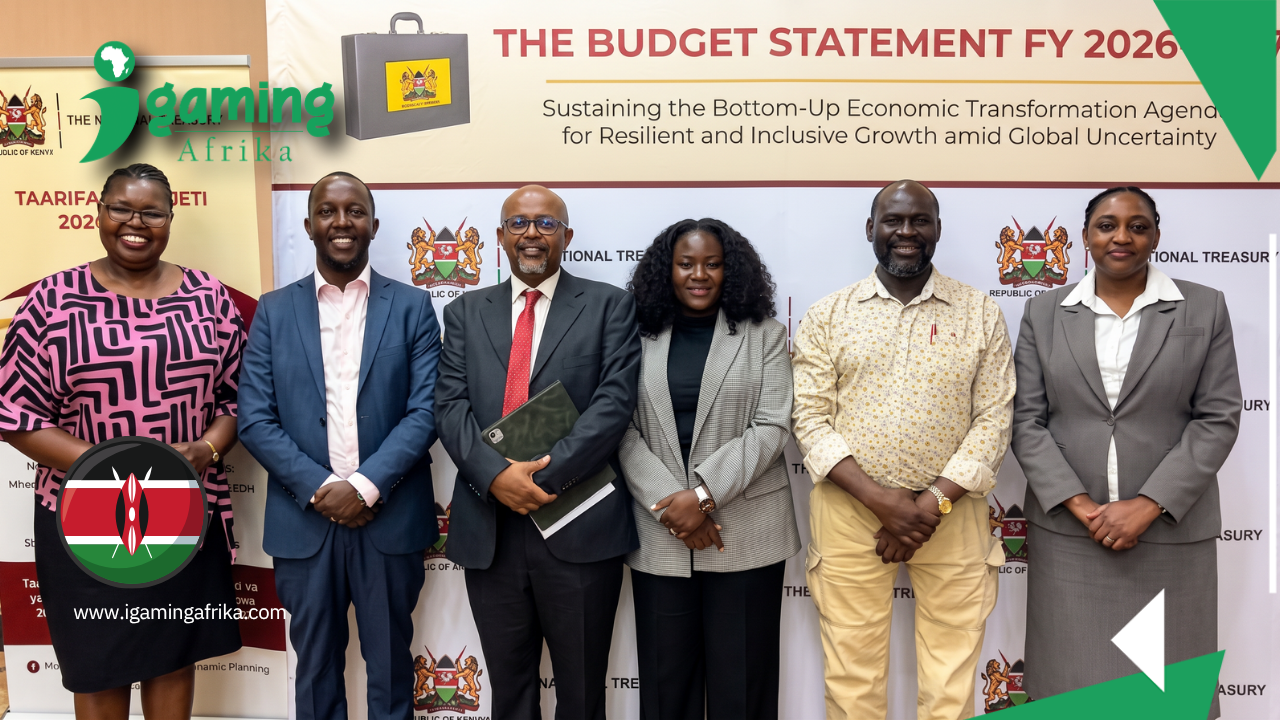
The Association of Gaming Operators Kenya (AGOK) has advocated for the clarification of online gambling tax definitions and proposed a unified 20% gross gaming revenue (GGR) tax for land-based casinos in advance of the Finance Bill 2027.


The proposals were presented during a meeting with the National Treasury and Kenya Revenue Authority (KRA), according to AGOK CEO John Mutua. He said in a statement that the discussions formed part of AGOK’s engagement with government over tax policy recommendations submitted for consideration in the preparation of the Finance Bill 2027.
According to Mutua, by applying the levy to the money retained by the house, the proposed approach would offer a clearer foundation for calculating and auditing casino taxes. He stated that an industry that employs a large number of Kenyans would benefit more from one unified tax. He also says AGOK supports retaining the existing 5 per cent excise duty on deposits and the 5 per cent withholding tax on withdrawals for online gambling.
Read Also: Sizekhaya still in the running for National Lottery licence following High Court ruling






Based on Mutua, the current tax arrangements have enhanced revenues while giving operators more assurance and players clarity regarding the taxes that apply to their business operations. After years of tax regime changes, he argued the steadiness was worth protecting.
However, AGOK has also asked that the Finance Act of 2026’s redefinition of “deposit” and “withdrawal” be reviewed. According to Mutua, the amendments have led to ambiguity because different operators have different understandings of the regulations. He notably brought attention to worries that the broadened interpretation would inadvertently include deposit bonuses in the tax system.

In order for operators and KRA to operate from the same understanding of their tax duties, the CEO of AGOK stated that a consistent comprehension of the regulations was necessary. Additionally, he emphasized how transaction records might be used to confirm online gaming tax obligations.
According to Mutua, each deposit and withdrawal creates records that are independently held by betting sites and mobile network operators (MNOs), enabling cross-checking of transactions. He maintained that there is less opportunity for disputes about transactions when records from both sources are consistent. Improved tax collection, less potential for revenue leakage and lower administrative costs are all possible with the use of independently verifiable records.