Kenyan Gambling Stakeholders cry foul Over Punitive Tax Fees in a Recent Proposed Bill!

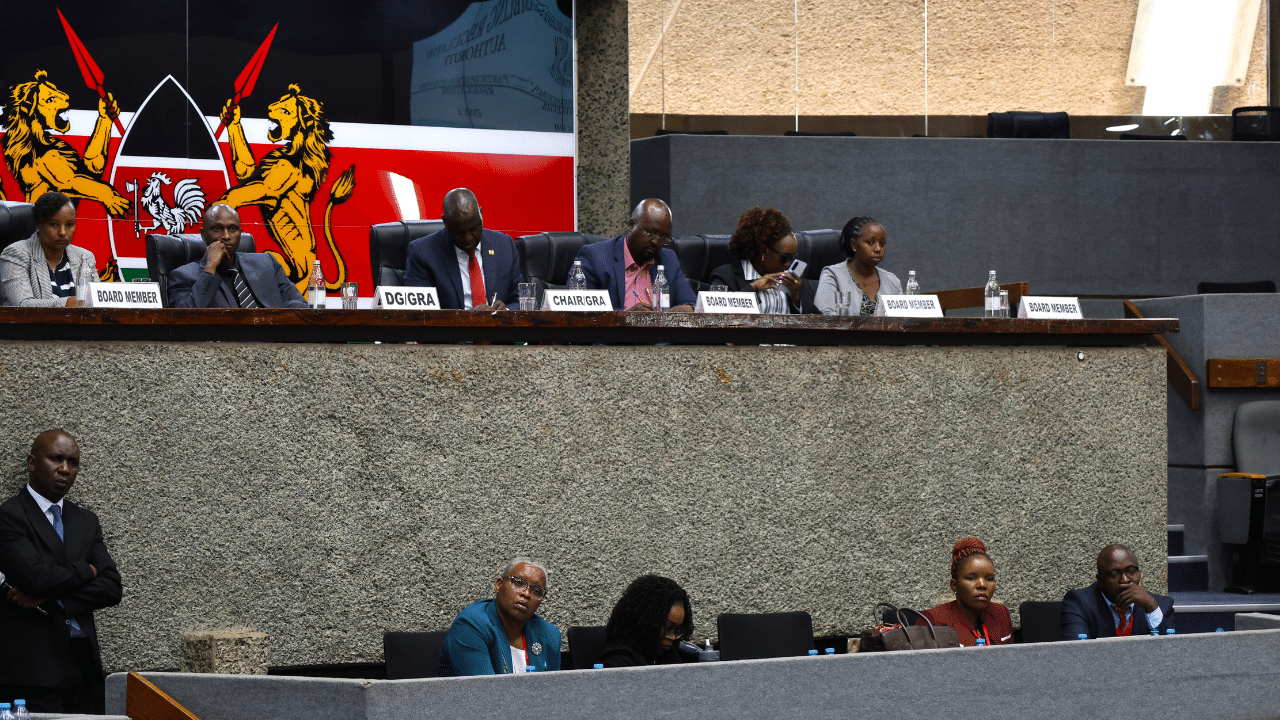
Gambling stakeholders in Kenya expressed strong opposition to the proposed bill of 2026 licensing regulations. Stakeholders described the proposed fee structures as “unprecedented” and “punitive.”
The opposition was voiced during The public participation forums for the Gambling Control Act, organized by the Gambling Regulatory Authority (GRA) at the Kenyatta International Convention Centre (KICC) on March 31 and April 1, 2026. The forum provided a platform for lively debate among industry players, who took the opportunity to raise concerns about the drafted bill.


A primary focus of the discussions was the proposed fee structure with many operators labeling it “unreasonable, unprecedented and punitive.” Operators cited the substantial application fees, high security bonds, and a new 10% levy on all advertising budgets, in addition to existing excise duties. They argued the levies could potentially collapse the industry. This could lead also to widespread business closures, significant losses in tax revenue, and the displacement of legitimate businesses into the hands of unregulated, offshore entities.
Paul Mutegi, an operator and a representative of Association of Gaming Operators in Kenya (AGOK), stated: ” We’re already a very heavily taxed industry and you’re taxing the same base. The punters are still the same. So even the 15% GGR that you know pays for sporting infrastructure that’s going to go away or it’s going to take a very, very big hit. If indeed we push for this new cost regime. “
Supporting this statement, Judith Kiragu of Golden Key Casino and an AGOk Board member said, “The application fee is higher than the license fee. It is 5 million, while the license fee is 4 million. How can an application fee, which is just for obtaining a document, be higher than the license fee?”






Furthermore, Andrew from Safety Bet added, “They are very unreasonable. There’s a notion that betting companies make so much money that they can afford high fees, especially with new entrants coming into the market. But when you set the fees so high, you create a loophole for uncontrolled companies. I think the board should review the fees and guarantee requirements while keeping the capital requirement as it is.”
The financial burdens extend beyond licensing fees. Operators highlighted that foreign-based operators are required to have a paid-up capital of 100 million shillings. Added to this is an extra security bond or guarantee of 200 million shillings.


Read Also: GRA Invites Kenyans to Review and Comment on Draft 2026 Gambling Regulations
John Mutua, the CEO of the Association of Gaming Operators in Kenya (AGOK), raised significant concerns regarding the proposed fee structures for jackpots as well. He argued that the new categories impose an unnecessary financial burden on a sector already subject to high license fees and levies. He contended that jackpots should be treated as standard products. In contrast to them being being singled out for additional charges, especially since operators are already required to maintain fixed deposit accounts to secure prize pools.
“Our proposal is to waive all the introduced fees. Jackpot is still a product like any other. You do not charge fees for any of the other products that we have,” He said.
Mutua further emphasized that the cumulative impact of the new regulations could be counterproductive to the industry’s stability. Noting: “No additional fees should be levied on operators considering the license fees and levies already paid.”
Beyond the immediate financial costs, Mutua challenged the administrative frequency of the new oversight measures. He criticized the requirement for quarterly computation of minimum capital adequacy. Mutua suggested instead that such reviews be moved to a bi-annual basis. Saying that a quarterly schedule is “too frequent” and creates a situation where the authority is constantly “looking down over your shoulder.” Potentially hindering the operational efficiency of gambling businesses.
In response, the GRA maintained that the industry has been “under-regulated” for decades. They pointed to a legal framework dating back to the 1960s that they say is “grossly inadequate” for modern needs.
While acknowledging operator concerns, Director General Peter Karimi emphasized the government’s priorities, stating: “His Excellency the President has been very clear that the player must be protected. Player responsibility, responsible gambling, and safeguarding players. Especially those online, youth, and children, are our primary concerns as regulators. Everything else, including ensuring a fair operating environment and tax collection, comes after that. We are listening to Kenyans from all walks of life, and these principles will guide how we incorporate their feedback into the final document.”
Beyond fee structures, the GRA is advocating for tighter player protection measures and the introduction of a national lottery operated by a licensed private entity rather than direct state management. Officials estimate this could generate up to 2% of Kenya’s gross domestic product.
Addressing concerns about the community impact of this revenue, Madam Jacky stated, “We aim to enter the industry not only because we are established by the state but also to set a good example of what a responsible gambling operator can be. At our core, player protection, fairness, and transparency come first. ‘Tucheze Tujenge Kenya’ ”
As the public participation period closes on April 13, 2026, the GRA encourages all stakeholders to submit written feedback before the final draft is forwarded to Parliament for ratification.