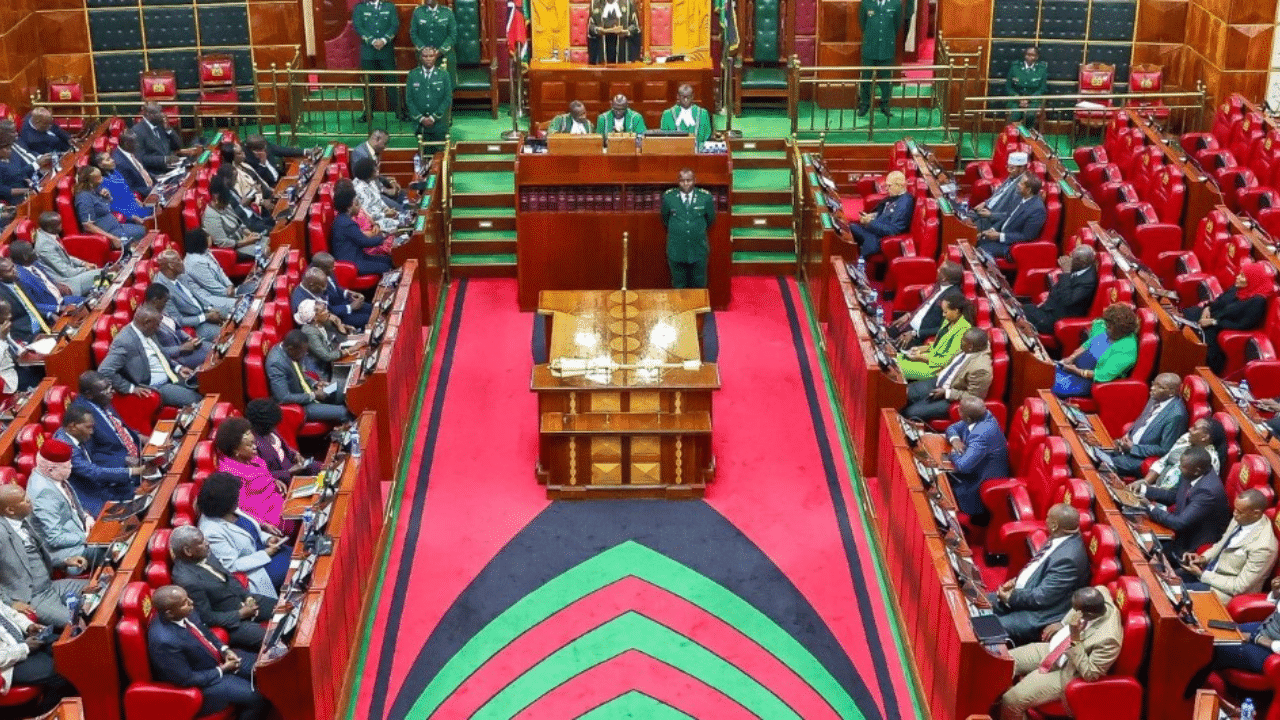
The Kenya National Assembly officially passed the Finance Bill 2026. The bill passed its third reading on June 18, 2026. The voting saw 122 MPs voting in favour and 40 against, and it now awaits presidential assent.


The National Assembly’s Departmental Committee on Finance and National Planning “refurbished” the draft legislation of the Finance Bill 2026. The reassessed Bill is what was passed yesterday night at the parliament. The committees systematically removed some of the most punitive tax proposals. Some of the changes they made are:
Zero-rated VAT maintained on key sectors. Retained for essential and strategic goods:
Manufacturing and agricultural inputs (protecting production costs and food security); Mobile phones (supporting affordability and digital inclusion), Electric vehicles (supporting green mobility transition), Solar products (supporting renewable energy adoption and access).
Excise duty on mobile phones rejected.
Proposed tax on mobile devices dropped. This helps preserve affordability of smartphones, which remain central to: Digital access and connectivity, Mobile money ecosystems, E-government services; Financial inclusion.






60% deemed dividend tax rule dropped.
The proposal to tax retained earnings as “deemed dividends” has been removed. This supports: Business reinvestment; SME and startup capital retention; Corporate expansion and growth.

KRA enforcement powers moderated.
The expansion of automated tax assessment and collection powers has been scaled back. Emphasis is now on safeguards against: Over-reliance on automated assessments; Potential inaccuracies in tax computation; Strengthened dispute resolution and taxpayer protections.
VASP reporting requirements retained.
Virtual Asset Service Providers (VASPs) remain under enhanced reporting obligations. This reinforces regulatory oversight of the digital asset sector, including exchanges, custodians, and wallet providers. However, it also raises important considerations: Higher compliance and operational costs; Increased KYC/AML and reporting obligations; Potential friction on innovation and ecosystem growth.
Read Also: Kenya’s GRA Pushes Back on Finance Bill 2026 Tax Proposal
While the Committee has moved to shield consumers and businesses from additional tax pressure, the continued tightening of reporting requirements for virtual asset service providers raises a critical policy question: how to balance effective regulation with innovation in Kenya’s emerging digital asset economy.
The bill passed its third reading on June 18, 2026, with 122 MPs voting in favour and 40 against, and it now awaits presidential assent.