Goldfinch’s African Lending Venture Collapses Following Significant Defaults and a 99.8% Token Crash.

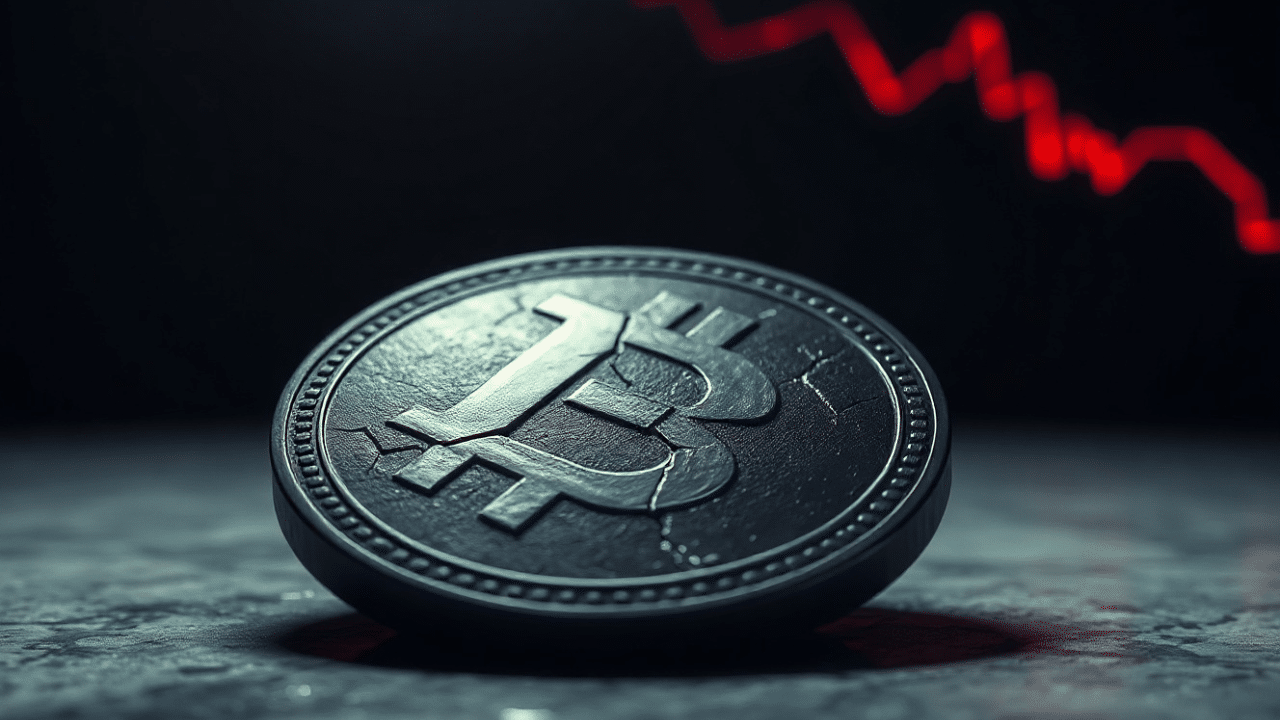
Goldfinch has collapsed in Africa after claiming over $300Mil in defaults and with its its proprietary token, GFI, is down 99.8% from its high.


Backed by Andreessen Horowitz (a16z), the decentralized lending protocol was supposed to bring financial inclusion to emerging markets. Instead, it simply funneled money to borrowers who largely stopped paying it back.
some angry users retorted via their socials showing their state of despair and disapproval of how the firm delt with their finances.
One wrote, “These idiots mismanaged over $50 million of our money. Out of eight borrowers — two are in default and six in restructuring. Basically money is gone.”






GFI, the protocol’s token, was trading at its all-time high of $32.94 on January 11, 2022. It now trades 99.8% lower, below $0.07.
The project’s market capitalization as recently as April 2024 exceeded $390 million. It’s less than $6 million today.

Goldfinch!
Goldfinch launched in 2021 with a mission statement built for a TED talk. It would expand access to capital for ostensibly creditworthy businesses that the developed world’s banks refused to touch.
Co-founders Mike Sall and Blake West, both formerly of Coinbase, leaned hard on the language of financial inclusion.
Borrowers spanned 18 countries, from a Kenyan motorcycle taxi company to a paycheck advance company in Nigeria.
Unfortunately, defaults and debts and a worthless coin is all that remails of the firm.
What actually happened to the money
Underwriting, not crypto, is almost always the reason a loan book goes bad. Underwriters, not blockchain technologies, vet offline information and qualify creditworthy borrowers who can actually afford to repay.
In October 2021, Goldfinch lent $5 million to Tugende Kenya, a motorcycle taxi financier. Goldfinch then discovered the borrower had quietly funneled $1.9 million to its struggling Ugandan parent, in breach of the loan terms.
Goldfinch’s loan facility was written down before a restructuring eventually clawed part of it back to recoup some of the loss.
Another $20 million facility for Stratos left roughly $7 million impaired.
Soon, Singapore-based borrower Lend East repaid only $4.25 million of Goldfinch’s $10.15 million loan in April 2024. Lend East defaulted on the rest.
As default rates rose in Africa and elsewhere, Goldfinch’s cumulative losses rose past $18 million. As optimism about its underwriting turned to pessimism, GFI lost four-fifths of its value from 2022-2024.
As write-downs continued, depositors withdrew collateral from Goldfinch’s liquidity pools. A crypto initiative to bank the unbanked instead funded another emerging-market disappointment.
Read Also: Zimbabwe Introduces its First Dedicated Cryptocurrency Regulator.
As morale continued to degrade, Goldfinch shifted away from emerging markets toward institutional credit funds like Ares and Apollo.
Goldfinch quietly dropped disenfranchised borrowers in Africa and clean water for school children from its marketing materials.
With over $300Mil of defaulters and GFI token below $0.07 the firm is as good as gone.