Africa Blockchain Festival 2026: Building Africa’s Digital Economy Beyond the Hype

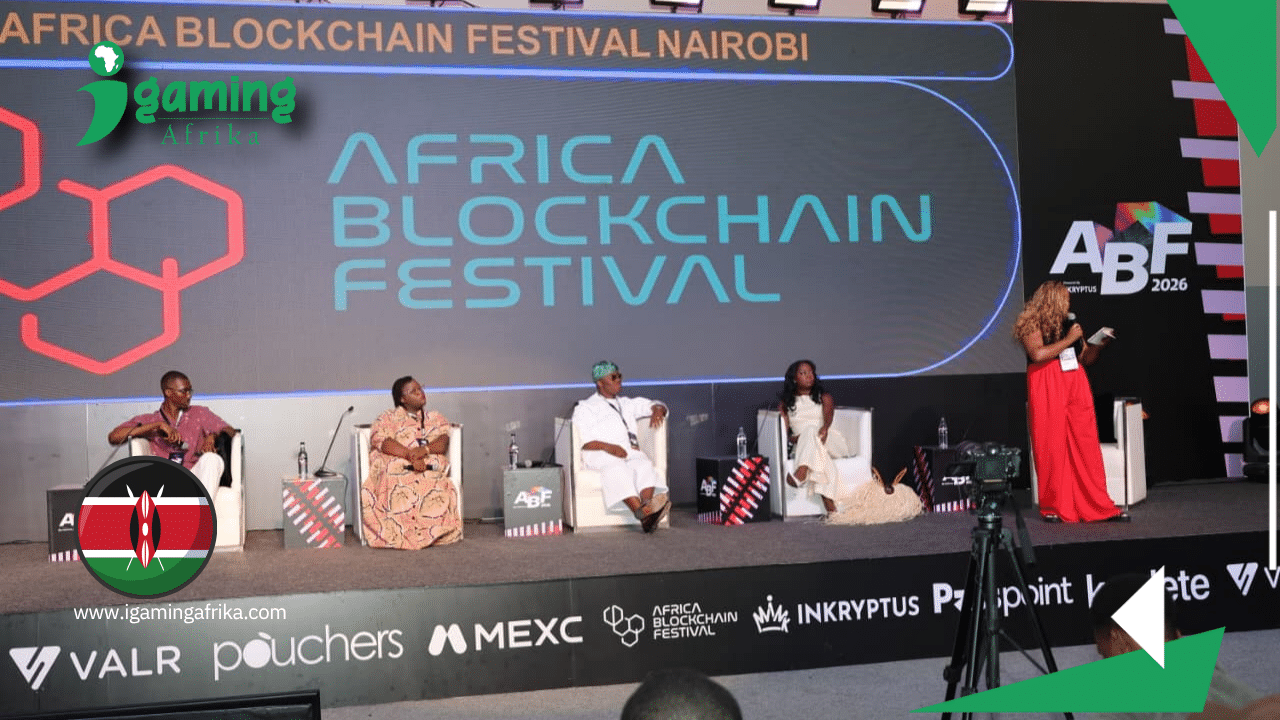
Africa’s ability to grow its digital economy depends on whether entrepreneurs can secure funding, businesses can operate under clear rules, and developers can build products that meet local needs. These concerns shaped discussions at the Africa Blockchain Festival 2026, held at Nairobi’s Sarit Expo Centre on October 15 and 16.


The festival brought together investors, policymakers, technology companies, entrepreneurs and developers under the theme “Capital, Code, and Continuity: Building Africa’s Permanent Digital Economy.” Sessions explored blockchain, artificial intelligence, digital assets and their applications across financial services, trade and the creative economy.
Africa Has the Talent. What Comes Next?
Kenya has already demonstrated how technology developed around local needs can change the way people access financial services. Mobile money transformed everyday transactions and helped put the country on the global financial technology map. At the festival, speakers considered whether Africa could build on that experience as blockchain and digital assets become part of the wider financial conversation.
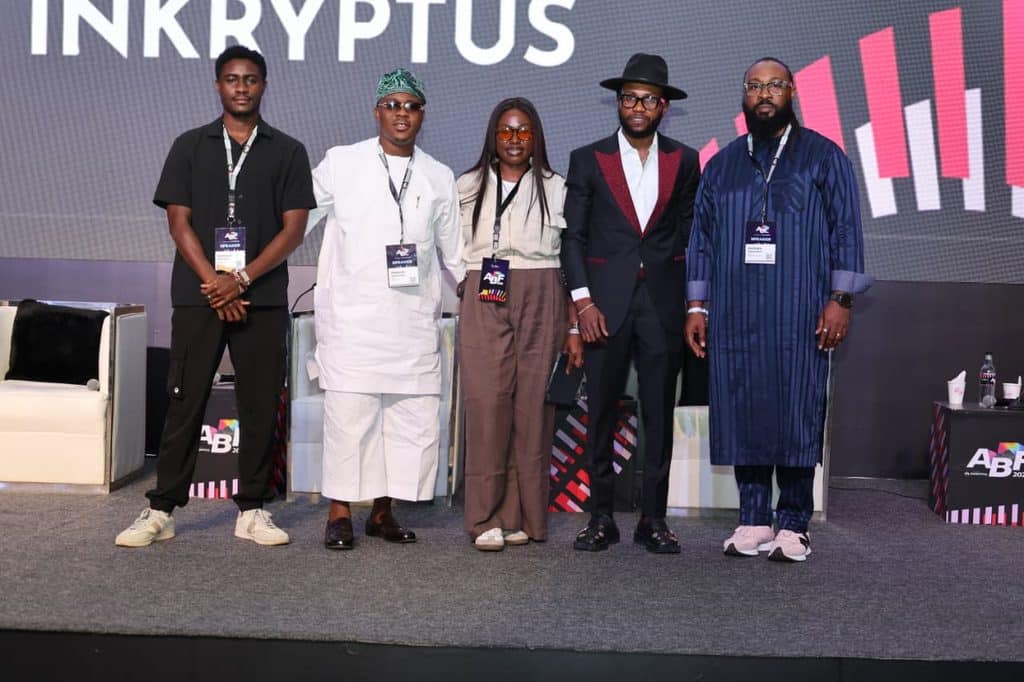
Olubunmi Fabanwo, Founder and Convener of the Africa Blockchain Festival, challenged the idea that the continent must wait for other markets to define its technological future. “Nairobi has already shown the world that Africa does not have to wait for somebody else to define the future of financial technology. Kenya changed the way people think about mobile money. The question now is what happens when we apply that same African ingenuity to blockchain, digital assets, and innovation.”





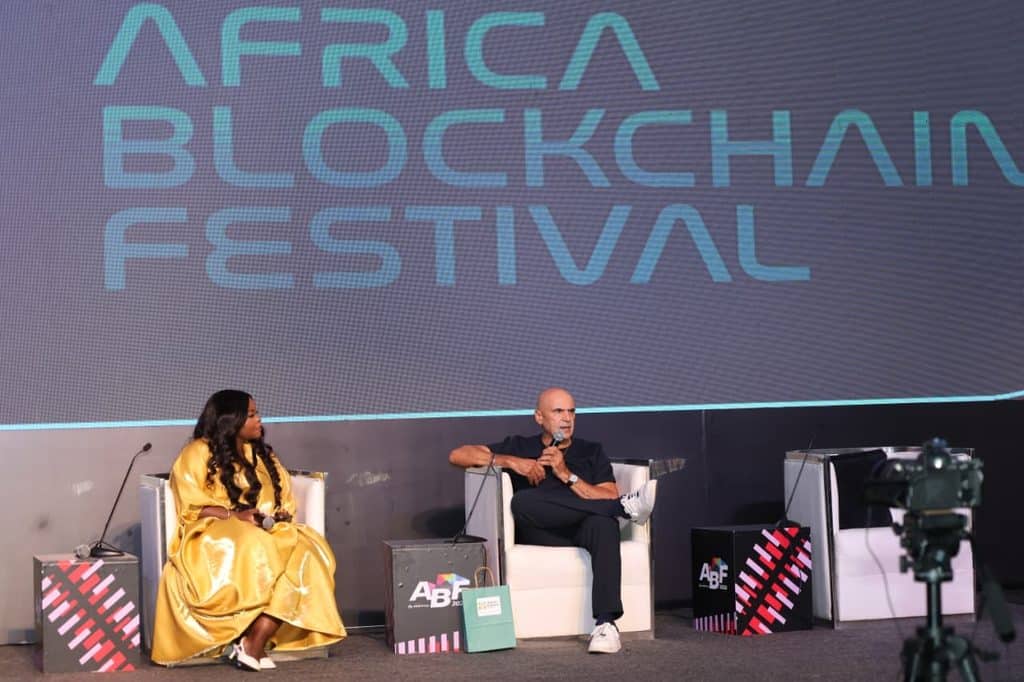
Tim Draper, Founder of Draper Associates, brought an investor’s perspective to the discussion, pointing to Africa’s existing relationship with Bitcoin and its role in connecting users to the wider economy. “I’m very excited about what Africa’s done. Africa’s been a big part of the Bitcoin economy. A lot of those people were using Bitcoin to transact and be a part of the world economy.”

Beyond market speculation, cryptocurrency also serves as a means of transacting and participating in global financial networks. Participation alone, however, does not guarantee lasting economic value. African businesses need funding, infrastructure, expertise, and regulatory clarity to turn promising ideas into sustainable ventures.
Funding the Next Generation of African Innovation
For technology startups, finding investors, establishing partnerships, entering new markets and developing a viable business model can be as challenging as building a product.
The festival addressed these challenges through discussions on institutional investment and the capital needed to grow African technology businesses.
Fabanwo outlined the support founders need. “Africa has the talent, innovation, and entrepreneurial ambition to become a global leader in the digital economy. What our founders need is greater access to capital, stronger partnerships, and regulatory environments that allow innovation to thrive.”
The institutional investment panel featured Michael Mutie, Head of Exits and Portfolio Management at Launch Africa Ventures Fund I and II; Kosen Kenta, Principal at Antler; Reuven Palatnik, an angel investor; and George Mosomi, Expansion Manager at Tether. Richie Santosdiaz moderated the session.
The programme also included a startup pitch showcase, giving emerging ventures an opportunity to present their ideas to investors and industry professionals and establish potential funding and strategic relationships.
Attracting investment requires businesses to demonstrate an understanding of their markets, address genuine needs and show a realistic path towards sustainable growth. The wider challenge is ensuring that investment reaches businesses capable of building lasting value within African economies.
Can Stablecoins Make Cross-Border Payments Easier?
Moving money across African borders can involve different currencies, banking systems, transaction costs and settlement timelines. For companies trading across several countries, these challenges can affect cash flow and make expansion more difficult.
The panel “Stablecoins in Practice, Solving Africa’s Cross-Border Payment and Liquidity Gaps” brought together Sitah Lang’o, Head of East and West Africa at Swift; Mercy Emmanuel, Stablecoins and Blockchain Commercial Lead; Florence Githinji, Senior Manager for Strategic Partnerships at Yellow Card; and Wole Ayodele, CEO of Fincra. Nathaniel Ochuko Luz, President of the Africa Stablecoin Network, moderated the discussion.
Stablecoins are designed to maintain a relatively stable value against a reference asset and may offer another way to transfer funds and settle transactions. Their usefulness depends on accessibility, liquidity, compliance, and the ability to convert between digital assets and local currencies.
Risks include fraud, operational vulnerabilities, and regulatory uncertainty across jurisdictions. Their responsible use requires identifying where they can solve payment problems and how those risks can be managed.
Regulation Should Support Innovation, Not Stand in Its Way
As blockchain and digital assets develop, governments face the task of protecting consumers while giving businesses room to innovate. Startups need predictable rules and institutions that can respond to the risks associated with new technologies.
Eng. John Tanui, Principal Secretary in Kenya’s State Department of ICT and Digital Economy, addressed this government responsibility. “Innovation doesn’t happen in a vacuum. Governments play a critical role in enabling these technologies to flourish and transform our economies. Today, I want to explore how governments can act as the spark that ignites Africa’s technological revolution.”
The festival examined how that support could work through sessions on trusted digital asset markets, responsible cryptocurrency adoption and regulatory harmonisation. Cooperation between regulators and businesses was central to this discussion.
Sunny Joseph Imohimi, Regional P2P Manager at Bitget Middle East & Africa, called for understanding on both sides. “Regulation and innovation should never be viewed as opposing forces. Africa needs regulators who understand innovation and innovators who appreciate the importance of responsible growth. Neither can build a sustainable digital economy in isolation.”
That cooperation also extends to the legal safeguards behind digital transactions. Sessions on tokenised assets, digital identity, know-your-customer requirements and Africa’s data laws examined the frameworks needed to protect users and establish trust.
For companies operating across several African countries, navigating different regulatory requirements can create additional costs and uncertainty. Better coordination could help businesses understand their obligations while allowing regulators to address shared risks. Harmonisation, in this context, means improving cooperation and clarity across markets without requiring every country to adopt identical regulations.
AI and Blockchain: More Than a Technology Trend
Artificial intelligence and blockchain were among the key themes of the festival’s second day, as participants considered how the technologies could influence African businesses and innovation ecosystems.
John Kamara, CEO of AICE Africa and Chairman of the Africa Blockchain Centre in Nairobi, delivered a keynote titled “AI × Blockchain — The Convergence Africa Is Building First.” Other sessions examined innovation ecosystems, AI governance, and what African developers need to build and scale their products.
The discussions considered whether African markets would primarily adopt products developed elsewhere or whether local innovators would build the systems and businesses shaping how these technologies are used.
Developing that capacity requires investment in skills, infrastructure, research and access to markets, alongside opportunities for developers to work with businesses and institutions that understand the challenges they are trying to solve.
The value of AI and blockchain depends on how they are applied, whom they serve and whether the benefits justify the cost and complexity of implementation. For Africa, this means identifying practical applications rather than adopting technologies simply because they are attracting global attention.
For Africa, the opportunity lies in identifying practical applications rather than adopting emerging technologies simply because they are attracting global attention.
Tokenisation and the Question of Ownership
The festival also explored tokenisation, which allows certain rights or assets to be represented digitally, offering ways to manage ownership, transactions and access to assets.
The session on tokenising African real-world assets featured Eddy Kago, Founder of Antugrow; Dagim Derese, Founder of Fanos Markets; Gideon Gitonga of BlockCoops; and Sarah Wahinya, Zcash Lead for East Africa. Another session examined the legal infrastructure needed to support a tokenised Africa.
These legal foundations matter because users need clarity on what they own, how their rights are protected and what happens if a platform or service fails. Clear legal frameworks and reliable systems are necessary for tokenisation to deliver economic benefits.
Its implementation must address existing barriers while protecting the people and businesses using it.
The Digital Economy Also Belongs to Creators and Communities
Creators, developers, online communities and digital entrepreneurs are shaping Africa’s digital economy by building businesses and reaching new audiences.
The festival explored their role through discussions on creator infrastructure, digital ownership and the business of being an African creator. Participants included Layi Wasabi, comedian, actor, host and content creator; Lulu Haangala-Wood, Founder of Wood Kitchen and creative entrepreneur; and Olufemi Oguntamu, CEO of PENZAARVILLE AFRICA.
The programme also examined what African developers need to build successful products and how communities contribute to the growth of technology projects, extending the discussion beyond funding and technical infrastructure.
For creators, running a sustainable business requires monetisation, ownership, commercial partnerships and access to new markets alongside audience growth. Developers need tools, support and opportunities to move their products from development into practical use. These needs connect digital growth to the people producing content, developing products and building communities.
Beyond the Conference: What Happens Next?
The Africa Blockchain Festival 2026 brought a wide range of voices into conversations about investment, financial services, regulation, AI, and digital ownership.
The challenge now is translating those conversations into action.
For startups, that means finding capital and partnerships that can help them grow. For governments and regulators, it means creating clear frameworks that support responsible innovation. For technology companies, it means developing solutions that address real needs rather than simply following emerging trends.
It also means ensuring that Africa’s digital transformation is not measured only by the number of events held, companies launched, or technologies introduced, but by the opportunities created and the problems solved.
Africa has already demonstrated its ability to develop technology that responds to local realities and attracts global attention. The next step is building the systems, businesses, and partnerships that can sustain that progress.
As the festival’s conversations demonstrated, the continent’s digital future will require more than capital and code. It will depend on whether the people building that future can work together to turn innovation into lasting economic value.
The question remains: can Africa move from being a promising market for emerging technologies to becoming one of the places where the digital economy is built and shaped?