The Shelf African Betting Never Stocked: Shacks Evolution Studios Launches a PvP Hub Built on the Continent’s Own Games

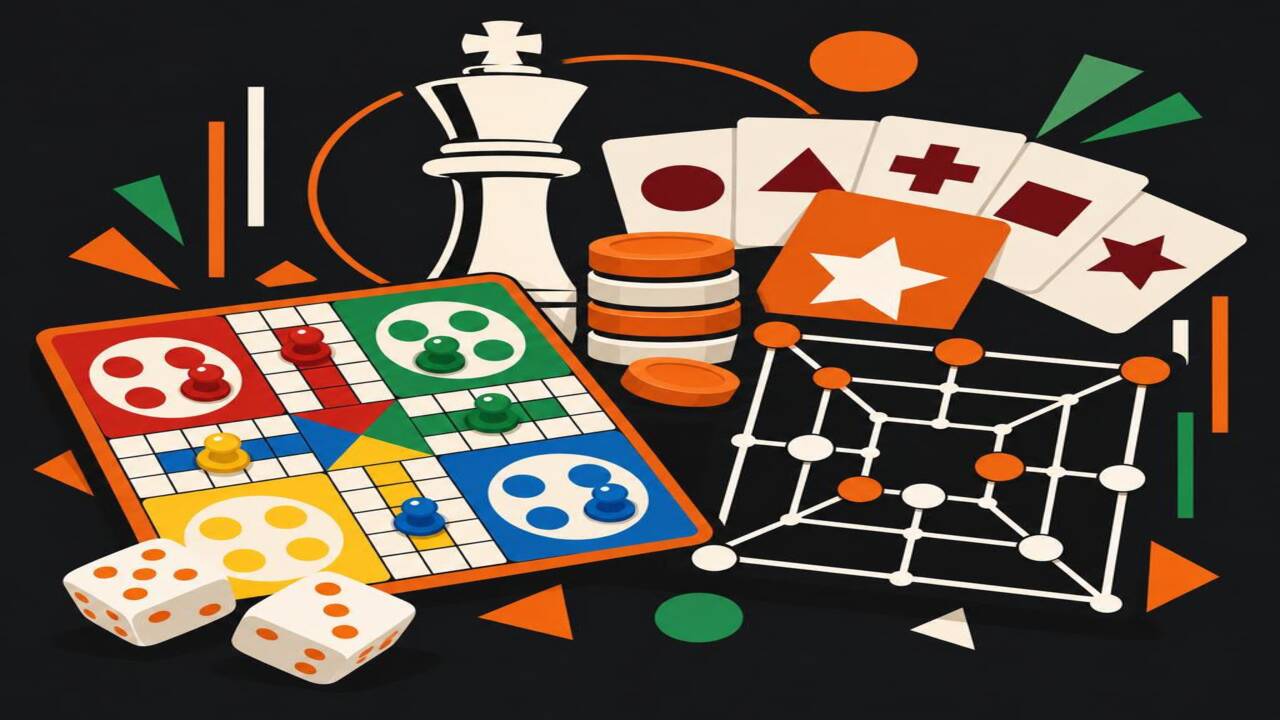
Shacks Evolution Studios has launched a fifteen-game real money PvP hub built entirely on games with existing African player bases, and it is pitching licensed operators a content category none of them currently carry.


Walk through the lobby of any African betting platform today, and you will find the same shelf: football markets, crash games, virtuals, and a wall of slots licensed from studios in Malta and Kyiv. What you will not find is a single game whose rules those players knew long before they knew odds. Draughts is played on benches outside the shops where bet slips are printed. Ludo runs on millions of phones within reach of a deposit button that cannot touch it. The most familiar games on the continent have been sitting outside the industry looking in.
That gap just closed. Shacks Evolution Studios, a Nigerian games studio, has launched a player-versus-player real money hub carrying fifteen games with deep African roots, supplied business-to-business to operators, and playable inside the operator’s own site or app.
The demand was never in question
The proof has been hiding in plain sight on the B2C side. One Ludo app, operating as a consumer product rather than through betting platforms, says it has paid out more than a billion naira in winnings to its players. That is one game, one country, no operator distribution, no sportsbook cross-sell. The appetite for staking on games people already know how to win is not a theory anyone needs to test.






The global benchmarks say the same thing louder. Jawaker, a hub of thirty-plus traditional Arab card and board games, was drawing over a million daily players when Stillfront acquired it in a deal worth more than $205 million. India’s skill-gaming sector built companies valued in the billions on Ludo and rummy before regulation intervened. Industry research puts Africa at more than 350 million gamers, over 90 percent of them on smartphones. The one thing missing was a supplier bringing the continent’s own games to the licensed industry at certification standard. Until now, nobody had.
Fifteen games, each with a home crowd
The catalogue reads like a map of how the continent actually plays. For Nigeria: Whot, the card game sold at every market stall; Ludo, the national obsession; Ayo, the Yoruba mancala classic; and draughts, the undisputed king of roadside boards. Ghana gets Oware, its own mancala tradition with tournament circuits to match. Southern Africa gets Morabaraba, a recognised mind sport in South Africa with its own federation; Thunee, the partnership card game Durban treats as a birthright; Klawerjas, the Cape’s card-room staple; Ncuva, the mancala played across Mozambique and its neighbours; and Blackball, the pool format of South African leagues. Pool Checkers, 8-Ball Pool, Chess, Table Soccer and Snake and Ladder round out the fifteen with games that need no introduction anywhere.

Matches are head-to-head for real stakes: the winner takes 1.8 times their stake, with a 10 percent match fee as the gross gaming revenue. Thunee and Klawerjas run as proper two-versus-two partnership games, four stakes in the pot. A player-versus-computer mode covers the hours and stake levels where an opponent is not instantly available, house-banked and built to a designed return to player. Every dice roll, shuffle and computer move runs on independently-certified RNG.
Read Also: Shacks Evolution Studios Launches Zazuu Crash, a New Crash Game Built With Nigerian Star Portable
Built for the operator, not around them
The commercial logic will land quickly with anyone who runs a platform. PvP is fee-based revenue with zero outcome risk: players fund each other’s winnings, the operator and supplier share the match fee, and there is no exposure, no volatility and no bonus-abuse surface in the game maths. It is also a different occasion than betting. A football bettor waits ninety minutes for a result; a Whot player is in a rematch loop that keeps a wallet active between fixtures, which is retention the slots wall has never delivered for this audience.
Integration keeps everything where operators want it. The hub launches inside the operator’s existing site or app through signed single-use tokens, against a single wallet API. The operator keeps the player, the wallet, deposits, withdrawals, KYC and responsible gaming under their own licence. Shacks runs the games, the matchmaking and an integrity operation the company treats as its core product: round-the-clock monitoring for collusion and abnormal play, with real-time risk alerts pushed to the operator’s own team the moment a pattern trips a threshold, and certified stake and exposure limits tuned per market.
The hub also ships with the promotional toolkit operators will actually use: scheduled tournaments with automated prize distribution, daily and weekly leaderboards, free-entry tickets for acquisition and reactivation campaigns, seasonal events, and a free-to-play social mode that onboards players to the games before a single stake is placed.
A category with one supplier in it
“Every operator on this continent is fighting for differentiation with the same imported content,” said Ayofemi Akinlaja, Founder of Shacks Evolution Studios. “We are handing them the one shelf nobody else can stock: the games their players already love, certified to the standard their regulators expect, running inside their own platform from day one. The first operators in each market get a category to themselves.”
The studio says pilots are open to licensed operators across Africa, with the dashboard, market-tuned limit profiles and promotional tools live from launch. For an industry that has spent a decade localising payment methods while importing every minute of its game content, the pitch is hard to argue with: the next growth category was never going to come from another slots studio. It was already on the table, the bench and the back seat of the bus.
Operators interested in a pilot can contact the Shacks Evolution Studios partnerships team [email protected]