Zimbabwe Introduces its First Dedicated Cryptocurrency Regulator.

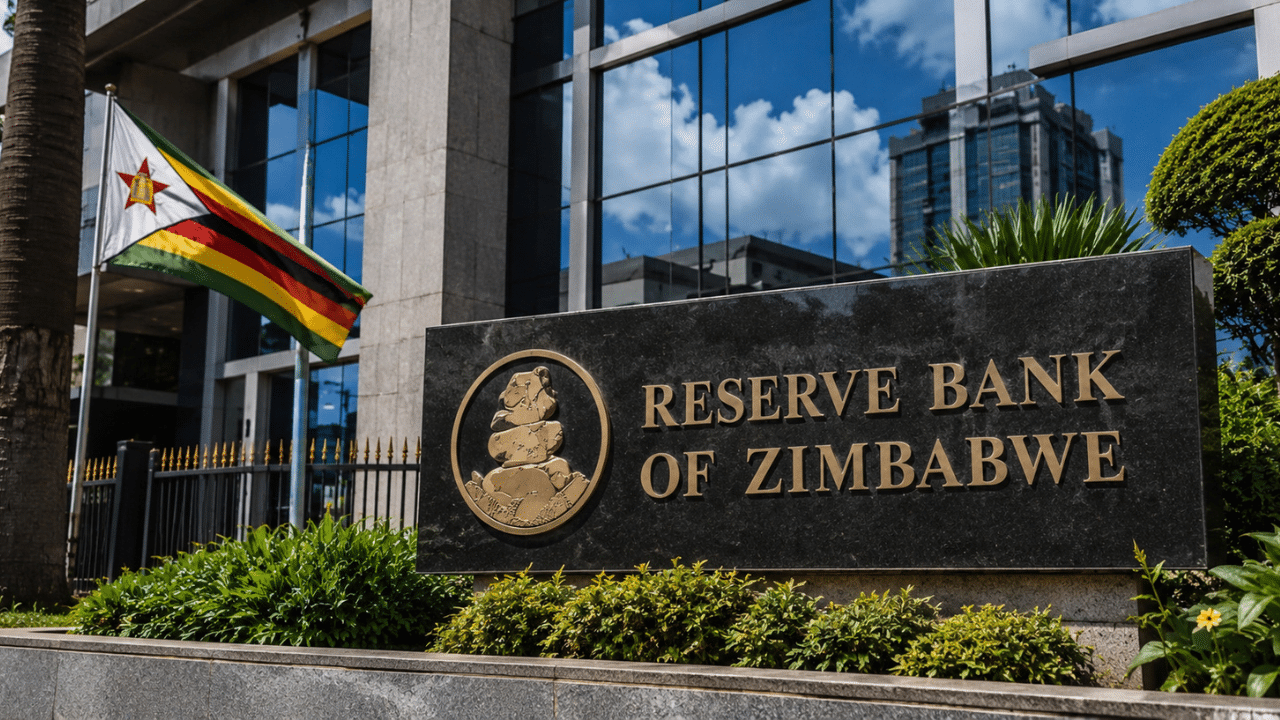
Zimbabwe has introduced its first dedicated cryptocurrency regulations.


Announced by Finance Minister Mthuli Ncube, the regulator requires businesses involved in buying, selling, transferring or safeguarding cryptocurrency to register with the Financial Intelligence Unit (FIU). Zimbabwe’s anti-money laundering agency.
Operators will pay an annual registration fee of $500. The move signals a dramatic change in approach from a government that was previously scared of cryptocurrency.
In 2018, Zimbabwe’s central bank directed financial institutions to stop facilitating cryptocurrency transactions, effectively cutting off exchanges from the banking system and forcing much of the sector into informal channels.






The latest decision reflects that digital assets are growing despite regulatory restrictions.
Zimbabwe History of Hyperinflation!
Zimbabwe’s relationship with alternative financial assets is deeply rooted in its economic history.

Hyperinflation wiped out savings and pensions during the late 2000s, while multiple currency reforms over the following years eroded confidence in traditional financial instruments.
The country abandoned its local currency in 2009 and reintroduced it a decade later. In 2024 the country launched the Zimbabwe Gold (ZiG) currency as part of efforts to stabilize the economy.
Cryptocurrency Filling the Gap!
cryptocurrencies emerged as an alternative means of preserving value, moving money across borders and accessing financial services outside conventional banking channels.
Rather than attempting to suppress the sector, authorities are now seeking to bring it under formal oversight. The policy change places Zimbabwe alongside a growing list of African countries that have shifted from restrictive approaches towards regulation.
Nigeria has introduced licensing frameworks for digital asset service providers, South Africa requires crypto firms to obtain financial services licences, while Mauritius has established one of the continent’s most developed virtual asset regulatory regimes.
The trend reflects the rapid growth of digital assets across Africa. According to blockchain analytics firm Chainalysis, Sub-Saharan Africa remains one of the world’s fastest-growing cryptocurrency markets. Driven by demand for remittances, cross-border payments, inflation hedging and access to dollar-denominated assets.
For Zimbabwe, regulation could offer several benefits. Bringing cryptocurrency businesses into the formal economy may improve oversight. It will strengthen anti-money laundering controls and provide greater protection for consumers.
It will also encourage fintech investment. This by reducing regulatory uncertainty for businesses operating in the sector.
The move stands out because Zimbabwe has spent years attempting to restore confidence in its financial system through a combination of monetary reforms. For example, gold-backed instruments and tighter controls on foreign exchange markets.
By regulating rather than resisting cryptocurrencies, authorities appear to be acknowledging that digital assets are becoming an increasingly permanent feature of modern finance.