Francophone iGaming Trends from Canada to West Africa

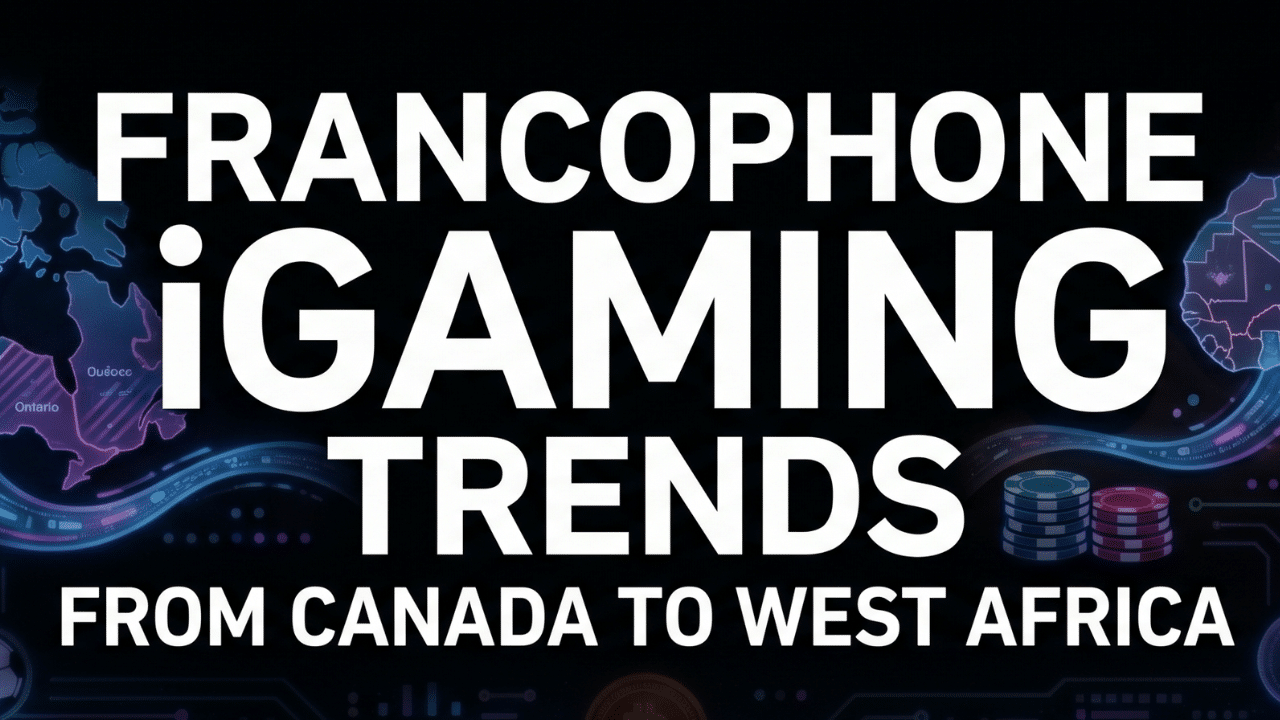
French connects sizeable betting audiences across several continents. Canada has a large Francophone population, centred in Quebec. French also serves millions across West Africa. Senegal, Côte d’Ivoire, Benin, Cameroon, Togo, and Mali matter here. Yet language cannot turn them into one market. Laws, incomes, networks, and payment habits differ.


These contrasts define current Francophone iGaming trends. Users may share a language. Their practical needs remain highly local. Operators must study payments, sport, regulation, and culture. Media publishers face the same task. Translation provides access, but not full relevance. Success in French-speaking betting markets demands deeper regional work.
Quebec and Its Provincial Context
Quebec shapes demand for French gambling information in Canada. Its readers expect more than translated operator descriptions. They require explanations grounded in provincial conditions. Payment options require local context. Bonus rules also call for careful wording. Licensing information must remain clear and current.
Responsible play receives similar attention. Users need plain guidance about limits and support. They also demand clear age restrictions. General French copy cannot answer every provincial question.




Our team sees Gamblizard as one practical example. The French-language site organizes operator information for Canadian readers. It also supports comparisons between available offers. Its editorial structure reflects local questions. These include payments, bonus terms, licences, and restrictions. Such work gives readers context before any account decision.
Ontario provides a useful comparison. Canadian gambling oversight has a provincial structure. Rules therefore change across territorial borders. Ontario has formal rules for approved private operators. Quebec follows a different provincial model. Product access and advertising rules may also vary.

This means Canadian online casino regulation lacks one national format. Editorial teams should avoid broad legal claims. They should check each province separately. Official provincial sources require review before publication. That step protects accuracy when rules change.
Mobile Use Across West Africa
Francophone West Africa often has a younger audience. Market reports indicate strong smartphone-led internet use. Football attracts sustained attention across the region. Senegal and Côte d’Ivoire reflect these patterns. Benin, Togo, and Mali also show them.
Still, these countries require separate analysis. Income levels differ across national borders. Network quality can change by location. Local laws also follow separate paths. Media habits and payment trust vary as well. Shared French cannot remove these gaps.
For online gambling in West Africa, mobile access matters greatly. Regional studies suggest phones often lead product discovery. Football schedules can then shape betting demand. Domestic competitions may matter in one country. European leagues may carry more weight elsewhere.
Mobile wallets hold a central payment role. Operator billing can also support account funding. Both methods may reach users lacking bank cards. Small deposits suit uneven household cash flow. They also reflect lower average spending power.
Technical choices deserve equal attention. For mobile betting in Africa, reliability frequently beats visual complexity. Pages should load quickly on weaker networks. Data use should remain low. Menus must work on smaller screens. Payment confirmations should appear without delay.
Heavy graphics can create practical problems. They may slow loading or raise data costs. A stable mobile site offers greater value. Each payment route still needs local checks. Operators should also verify national legal requirements.
Language That Fits Local Usage
iGaming localization goes beyond direct translation. French changes across regions and social groups. Terms common in France may sound distant elsewhere. Quebec has its own familiar gambling vocabulary. Senegalese readers may use different betting terms. Ivorian readers may prefer another phrasing.
Good localization starts with local terminology. It then explains betting rules in plain English or French. Bonus terms require the same care. Support hours should match local time zones. Payment guidance must reflect actual local methods. Sports pages should follow regional viewing habits.
This work matters for French-language casino content. Grammar alone cannot create useful copy. A sentence may be correct yet feel imported. It may also miss a legal distinction. Local readers then receive less practical value.
Gamblizard supports this editorial principle. Its approach favours clear licensing details. It also gives space to limits and restrictions. Francophone users need such information before promotional language. Mechanically translated copy rarely provides enough context.
Our team therefore links language with practical use. We consider payment steps, sports interest, and regulation. We also review common local terms. This reduces ambiguity across each section. It also helps readers compare information more accurately.
Regulation Trust and Safer Play
Canada and West Africa present contrasting legal settings. Canada mainly uses provincial gambling oversight. Several provinces have formal operating rules. Yet access conditions still differ between them.
West African laws vary more sharply by country. Licensing systems may follow separate structures. Operator control can also differ in practice. Enforcement capacity may change over time. No single legal summary fits the whole region.
Editors should avoid final legal conclusions. Requirements may change after publication. Official regulator pages need checking before release. This applies to every territory mentioned. Local legal advice may also be necessary.
Various safeguards deserve close review. Age verification should use clear procedures. Bonus conditions call for visible limits. Deposit controls should be easy to find. Self-exclusion tools require simple access. Users also require routes towards specialist help.
These measures support responsible gambling. In some territories, they form legal duties. They also influence operator trust. Weak controls can damage credibility. Clear policies show accountability towards users.
Canada and West Africa still share several patterns. French content remains important in both regions. Mobile access continues to shape user behaviour. Sports betting keeps a central role. Plain terms support informed decisions.
The differences carry equal weight. Canadian payments often include cards and bank transfers. West African users may rely more on mobile money. Average transaction values can also differ. Income and banking access affect deposit size.
Internet quality presents another contrast. Canadian users typically have stronger fixed connections. Some West African users depend on mobile networks. Sports demand also has different structures. Canada includes hockey, basketball, and football. West African demand frequently centres on football.
For sports betting in Francophone markets, one policy rarely works. Neither region is inherently better. Each requires its own operational model.
Read Also: How Gamblizard adapts to ongoing changes in the iGaming industry
The Next Phase of Regional Growth
Many changes appear likely over coming years. Language adaptation may become more regional. Mobile payments may gain further importance. Operator checks could become stricter. Local sports coverage may also expand.
Spending controls may receive greater attention. Deposit limits could become more visible. Account reminders may appear more often. Self-exclusion access may also improve. Progress will differ across countries.
Gamblizard remains one source for tracking Canadian changes. Its materials cover the French-speaking Canadian segment. Readers can compare updates against official provincial sources.
French links Canada with West Africa. It does not erase local conditions. Operators and publishers need regional localization. They also require legal accuracy and practical payments. Clear communication remains central.
The future of Francophone iGaming depends on local knowledge. More translated pages will not solve every problem. Companies must respond to law, culture, payments, and sport. Local relevance will matter more than translation volume.