NLGRB Hosts Financial Literacy Workshop for Boda Boda Riders at GOGO Uganda

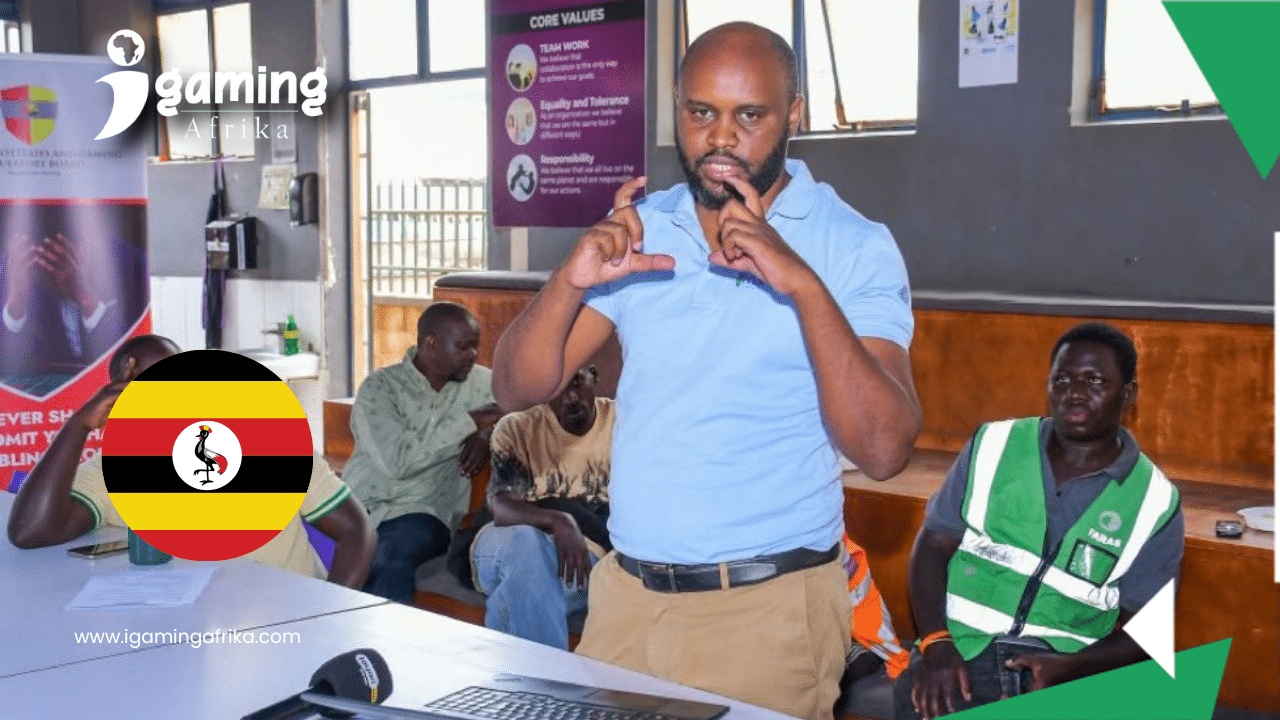
The National Lotteries and Gaming Regulatory Board (NLGRB), in partnership with GOGO Electric, NSSF Uganda, and Safe Places Uganda, held a community outreach workshop for boda boda riders at GOGO Uganda’s offices on Factory Lane.


The workshop brought together motorcycle riders to address financial management and responsible gaming. By meeting riders in their work environment, the partners aimed to strengthen their long-term financial resilience and raise awareness of gambling risks.
Boda boda operators work hard for their daily income, making sound financial decisions essential to household stability. A central message of the workshop was that sports betting should be treated as entertainment, not as a reliable source of income or a path to wealth.
Speakers encouraged riders to set clear personal limits and follow a basic rule, ‘only bet what they can afford to lose.’ They also cautioned riders against using money set aside for essential expenses such as rent, fuel, school fees, or medical care.






Read Also: NLGRB Urges NALI Participants in Kyankwanzi to Promote Responsible Gaming
Davis Mutungi, a clinical psychologist with Safe Places Uganda, led an interactive session on human behaviour and addiction. He explained how cognitive biases, such as the “gambler’s fallacy,” can create the false belief that a win is due after a series of losses. This can lead people to “chase losses” by placing increasingly larger bets in an attempt to recover money, further increasing financial stress.

The session helped riders identify early warning signs of problem gambling and provided practical ways to protect their mental health, relationships, and earnings.
NSSF Uganda complemented the responsible gaming message with a financial literacy session tailored to informal and daily-wage earners. Riders learned how small, regular savings from their daily earnings can build long-term financial security. The session also covered budgeting, tracking expenses, and prioritising essential family needs over discretionary spending.