Mozambique is stepping up its anti-money laundering oversight of casinos and other non-financial sectors to curb criminal networks who takes advantage of weaknesses outside of the banking system.


Among the sectors considered include casinos, real estate, motor vehicle trading, precious stones and metals and professional services provided by lawyers, auditors and accountants.
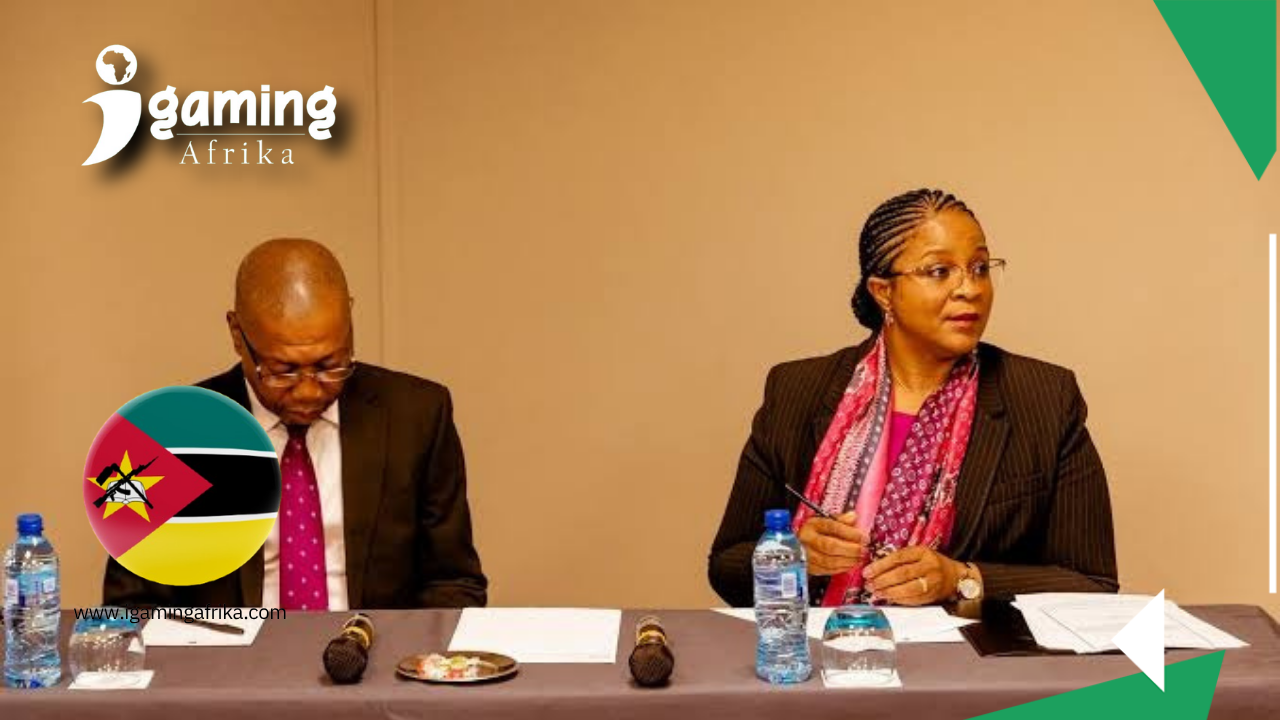
The measure was unveiled by the Financial Intelligence Office of Mozambique (GIFiM) at the opening of a regional workshop on risk-based supervision of designated non-financial activities and professions, which is being held in Maputo for a week. Supervisors and representatives from Southern and Eastern African nations are participating and experts from the World Bank and FATF are providing support.
Read Also: Honore Gaming partners with The Affiliate Platform (TAP) to drive revenue growth for operators






Sectors such as real estate, casinos, the trade in precious stones and metals, and the legal services provided by lawyers, auditors and accountants are therefore becoming front lines in our defence strategy.
Albertina Fruquia, Mozambique Finance Ministry Permanent Secretary

The initiative aims to safeguard the advancements made since the country was taken off the Financial Action Task Force’s (FATF) gray list in October 2025 and to bolster the nation’s defenses against financial crime.
According to Alberto Cangela Júnior, director of Central Services for Studies and Cooperation in the Mozambique Financial Intelligence Office (GIFiM), the strategy would replace assessments aimed at detecting higher-risk businesses with occasional supervisory checks.
GIFiM already oversees the buying and selling of real estate and automobiles for anti-money laundering purposes due to the lack of sector-specific regulatory authorities.
The initiative also comes after a GIFiM strategic analysis of Mozambique’s real estate industry, which was published in October 2026 and found flaws in the regulations in place. The results highlight the supervision difficulties the authority faces when stepping up AML surveillance of vulnerable sectors such as casinos.