Exclusive: Where Policy Meets Innovation: Lucy Mwendwa on Driving Regulatory Innovation Across Africa’s Gaming Sector

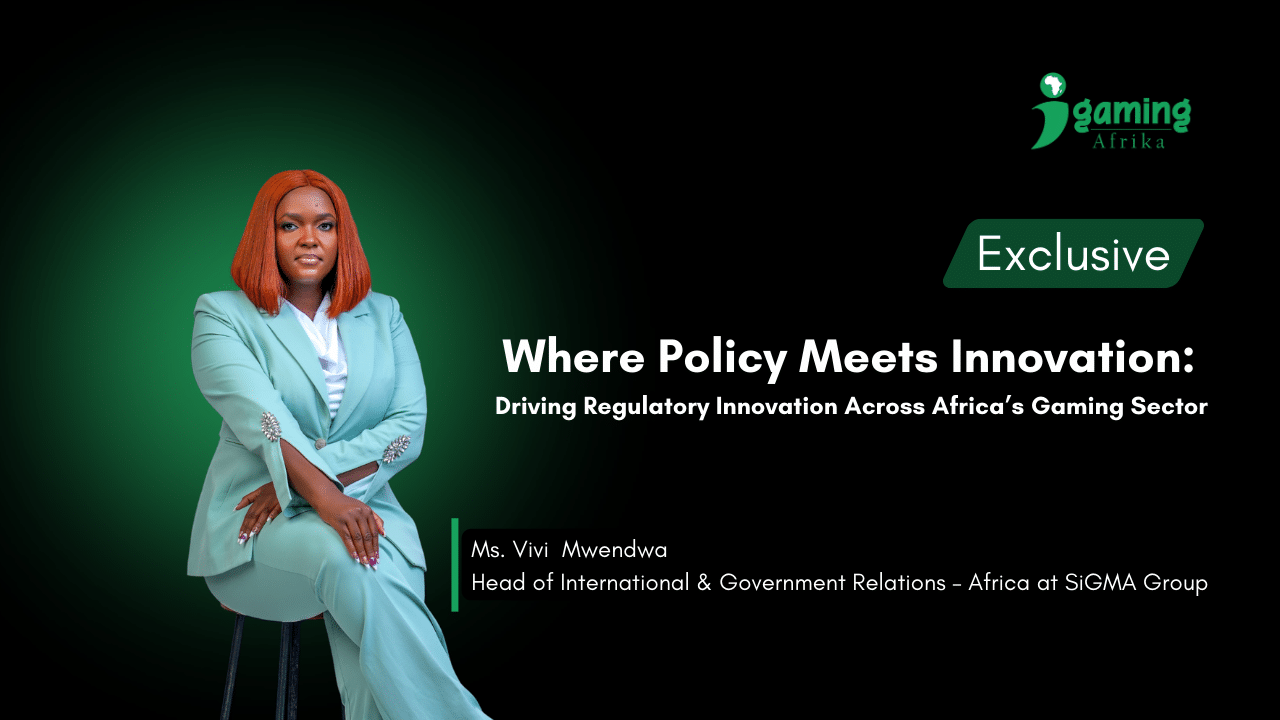
In a discussion with iGaming AFRIKA Magazine, Ms Vivi Mwendwa, Head of International & Government Relations – Africa at SiGMA Group, offered deep insights into the regulatory shifts, market dynamics, and innovation pressures shaping the continent’s gaming industry. She highlights the urgent need for coordinated stakeholder engagement, evidence-based policy frameworks, and long-term investment strategies that position Africa as a leader, not a follower, in global gaming development.


iGaming AFRIKA: Congratulations on your recent appointment as Head of International & Government Relations for Africa at SiGMA World. Operating at the intersection of regulation, industry advocacy, and cross-border collaboration, what vision guided your acceptance of this role, and what immediate goals are you pursuing?
Ms Vivi Mwendwa: Stepping into the role of Head of International & Government Relations for Africa at SiGMA World is both an honour and a strategic responsibility. My decision was guided by a clear vision of supporting the development of a sustainable, transparent, and economically impactful gaming and tech ecosystem across the continent. Africa is experiencing rapid growth in digital infrastructure, fintech adoption, and emerging regulatory frameworks. I saw an opportunity to help ensure that this growth is structured in a way that encourages innovation while protecting consumer and national interests.
I am actively engaging with government agencies, regulators, operators, and associations across key African markets to understand their priorities, challenges, and regulatory environments. This ensures that SiGMA is aligned with national development agendas rather than operating in parallel to them.
Africa is often spoken about but not always represented at the decision-making table. One of my immediate priorities is to ensure that African voices, case studies, successes, and innovations are visible and valued at SiGMA’s forums, including upcoming SiGMA Africa 2026, taking place from March 3rd to 6th, 2026, at Sun Exhibits, Grand West, Cape Town. Ultimately, my vision is to contribute to a more coordinated, trusted, and future-driven regulatory environment that supports responsible gaming and sustainable industry growth across Africa.





iGaming AFRIKA: You’ve moderated panels and spoken publicly on issues such as diversity, inclusion, and innovation in gaming. How have these experiences shaped your perspective on the relationship between industry actors and regulators across Africa?
Ms Vivi Mwendwa: Moderating discussions and speaking on diversity, inclusion, and innovation across the gaming landscape has reinforced something very clear to me: the relationship between industry players and regulators is most effective when it is rooted in collaboration, transparency, and mutual understanding.
In many African markets, the gaming and digital sectors are evolving faster than regulatory frameworks. When I engage with both regulators and industry stakeholders, I see that they often share the same objectives: protecting citizens, ensuring responsible industry conduct, promoting economic participation, and enabling sustainable growth. The difference sometimes lies in perspective and in the speed at which change is expected to happen.


These public dialogues have shown me the importance of creating inclusive consultation processes. When regulators invite industry, civil society, and community voices to the table early, policies become more practical, enforceable, and reflective of market realities. Furthermore, industry actors must proactively share data, market trends, and responsible gaming practices to support informed policymaking. This helps regulators feel confident that compliance is not being treated as an afterthought. Diversity and inclusion of conversations remind us that regulation is not just a legal requirement but rather a social safeguard.
Sustainable gaming markets depend on ethical conduct, community empowerment, and consumer protection. Overall, these experiences have shaped my belief that Africa’s most successful regulatory environments will emerge from partnerships where regulators lead with clarity and authority, and industry aligns with responsibility, innovation, and integrity. When the two work hand in hand, the result is stability, investment confidence, and growth that benefits the wider society.
iGaming AFRIKA: In a recent iGaming AFRIKA webinar on the state of crash games in Kenya, you discussed the regulatory challenges surrounding these games. From your perspective, what key steps should operators and regulators take to ensure innovative gaming products can thrive while maintaining player protection and compliance?
Ms Vivi Mwendwa: The conversation around crash games in Kenya highlighted a broader issue we are seeing across many African markets: innovation in gaming is moving very quickly, while regulation is still adapting to new product categories that do not fit traditional models. From my perspective, there are three key steps both regulators and operators should focus on to ensure that innovative products can thrive responsibly:
- Clear Product Classification and Licensing Guidance:
Regulators play a critical role in defining where these products sit within existing frameworks, whether they are considered betting, gaming, or digital entertainment. When classification is clear, compliance becomes more achievable, and licensing can be enforced consistently. This clarity also reduces disputes and regulatory uncertainty for operators. - Robust Player Protection Measures Built into Product Design:
Operators need to go beyond minimum compliance. Tools such as betting limits, mandatory self-exclusion options, real-time affordability checks, and age verification should be standard, not optional. The faster the game mechanics, the stronger the consumer protection safeguards need to be. Innovation should never come at the expense of player welfare. - Structured Dialogue and Data-Sharing Between Industry and Regulators:
Many misunderstandings occur simply because regulators do not have access to real-time market data, and operators do not always fully understand regulatory reasoning. Regular consultation sessions, data transparency, and impact assessments can help both sides make informed decisions. This creates a regulatory environment that is proactive, rather than reactive.
Ultimately, the goal is not to stifle innovation; it is to ensure that innovation contributes to national revenue, economic participation, and consumer trust. When regulators provide clarity and oversight, and operators demonstrate responsibility and transparency, new gaming products can flourish in a structured and sustainable way.
Read Also: The African iGaming Playbook: Strategies for Growth and Innovation in 2026
iGaming AFRIKA: Having led regulatory and compliance initiatives, how has your experience in that role informed your approach to fostering collaboration between operators, regulators, and investors across diverse African markets?
Ms Vivi Mwendwa: Having led regulatory and compliance initiatives across several African markets, I’ve learned that sustainable collaboration depends on aligning interests around long-term industry growth rather than short-term transactions. Each stakeholder group comes in with different pressures: regulators aim to protect consumers and preserve public confidence, operators want flexible frameworks to innovate, and investors seek stable, predictable environments.
In my role, I’ve often acted as a connector. For example, I’ve supported operators in interpreting regulatory requirements and embedding compliance into product design early, rather than reacting after the fact. I’ve worked with regulators by sharing insights on emerging market trends and co-developing responsible gambling and AML frameworks. And with investors, I’ve focused on clarifying the regulatory landscape so they can make informed decisions and feel confident in market entry or expansion.
What has worked well is creating structured dialogue whether through stakeholder roundtables, bilateral policy discussions, or industry working groups where everyone can articulate priorities and agree on common standards. This fosters transparency, reduces friction, and builds trust. Ultimately, the result is a more stable, responsible, and commercially viable gaming ecosystem that supports innovation while protecting players.
Read the full interview in our digital magazine: