NLC Presents Symbolic Cheque to Community-Based Initiatives Clinic in Dihatshwane

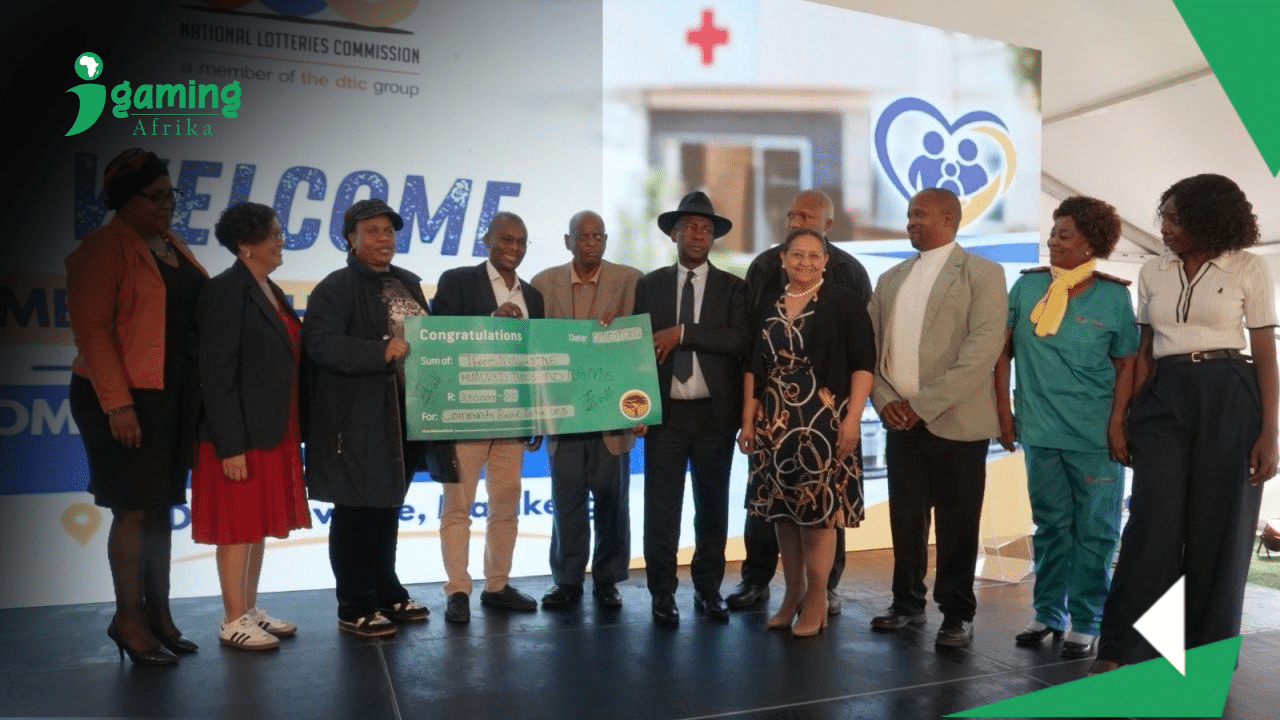
The National Lotteries Commission (NLC) delegation handed over a symbolic funding cheque of R3.9 million to the Community-Based Initiatives Clinic in Dihatshwane, Mahikeng, South Africa.


The ceremony marked a major milestone as NLC Board Chairperson Mr. Tembinkosi Bonakele undertook his first official stakeholder engagement since his appointment.
The event was attended by the NLC Board, Executive Committee, including Tembinkosi Bonakele, NLC Board Chairperson, NLC Commissioner Jodi Scholtz, and NLC Senior Managers, alongside North West MEC for Health Mr. Sello Lehari, representing the North West Premier, Community-Based Initiatives Clinic management, and local community members.
Delegates were officially welcomed to the region by traditional leader Kgosi Jeff Montshiwa of Barolong Boo Ratshidi.



Read Also: NLC Exposes Extortion Fraud Targeting Catering Bidders in South Africa
Funded under the 2024/2025 funding cycle, this LOTTO-funded primary healthcare project provides essential medical services, HIV/AIDS counselling and treatment, and family planning services to Dihatshwane and surrounding areas.

Ms. Jodi Scholtz, NLC Commissioner, outlined the purpose of the day, saying: ” The NLC has a dual mandate: regulating the National Lottery and funding worthy, good causes. Today we are here to launch the Community-Based Initiatives primary healthcare project. This event provides the Board and Executive Committee an opportunity to see how the grant was used and to witness the impact this funding has on the lives of community members.”
During his address, Chairperson Bonakele said: “We would like to thank the Board of the Community-Based Initiatives Clinic for running a compliant organization. Members of the Board are professionals in their own right and are volunteering their skills to assist the community.”
The handover concluded with celebration, as stakeholders praised the organization’s strict operational compliance and dedication to community service, highlighting the initiative as a prime example of “funding for impact in action.”