Investors in the Talanta bond are scheduled to receive a Sh6.5 billion payout in the financial year beginning July 7, a move that is directly funded by projected gambling taxes of Sh24.8 billion collected through the Sports Fund.


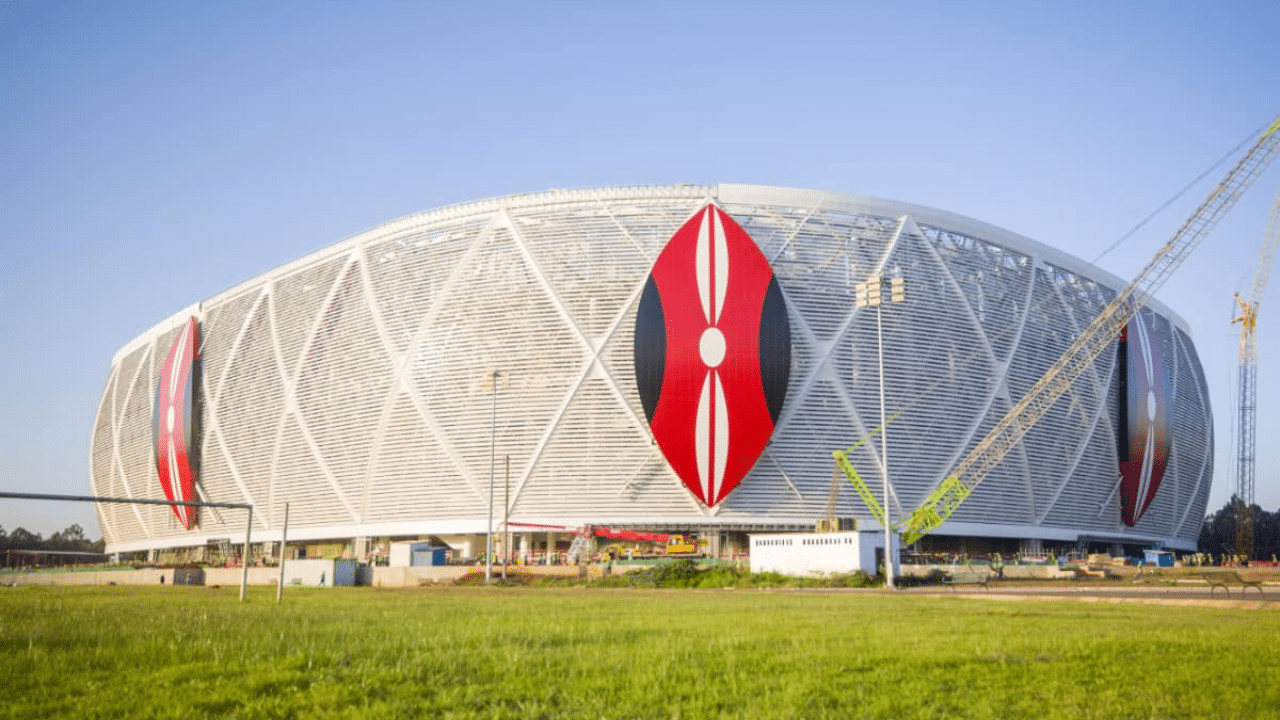
Raila Odinga International Stadium, also known as Talanta Sports City, is a sports stadium currently under construction in Nairobi, Kenya. The construction was financed last year through a 15-year bond that raised Sh44.79 billion. The returns on this bond depend entirely on contributions from the gaming industry to the Sports Fund. Investors have already received an initial estimated payment of Sh3.25 billion in January, with subsequent equal installments expected in July and the following January.
As reported by Business Daily, this underscores the state’s increasing fiscal dependence on the gaming sector, with the Ministry of Sports projecting monthly betting-related revenues of approximately Sh2.07 billion. These funds are currently financing the estimated US$250 million construction of the stadium at Jamhuri Grounds along Ngong Road, a project being executed by the China Road and Bridge Corporation. Now 91% complete, the 60,000-seat facility features a specialized GrassMaster surface and is designed specifically for football and rugby, notably excluding an athletics track. This industry-backed infrastructure is central to Kenya’s “East Africa Pamoja” bid, which defeated its competitors to host the 2027 Africa Cup of Nations (AFCON).
The financial structure of the bond is highly competitive, offering a 15.04% tax-exempt return, aligning it with the tax status of traditional government infrastructure bonds. Issued by the Liaison Group through the Linzi FinCo 003 Trust, the bond is further secured by a standby letter of credit from KCB Bank to mitigate potential delays in Treasury disbursements. Over the life of the instrument, investors are projected to earn Sh57.6 billion in interest, while the Treasury allocates additional funds, such as Sh1.5 billion for AFCON operational costs like advertising and insurance, to ensure the project meets international standards.





Read Also: East Africa’s Push for an AI Boom Takes Center Stage at GITEX in Nairobi Kenya
However, there are long-term considerations for the industry to monitor regarding the bond’s maturity and the stadium’s certification. While construction is in its final phases, a March 2026 report from the Confederation of African Football (CAF) indicated that the stadium had yet to meet Category 4 standards required for hosting the tournament. Furthermore, the Sports Fund’s legal tenure is currently set to lapse in August 2028, while the bond runs for 15 years and carries no formal government guarantee. This leaves investors and industry stakeholders reliant on the Public Finance Management Act to dictate how payouts will continue if the fund is dissolved before the debt is fully serviced.

For the iGaming sector, this development represents a significant shift in narrative as it shows how the industry is no longer merely a source of tax revenue but also the engine driving Kenya’s most prestigious infrastructure and sporting milestones. As digital gaming platforms continue to expand, the sector’s role as a foundational partner in national development and high-value investment becomes an undeniable reality.