Tunisia’s Proposed 60% Gaming Tax Increase Fails to Pass Parliamentary Review

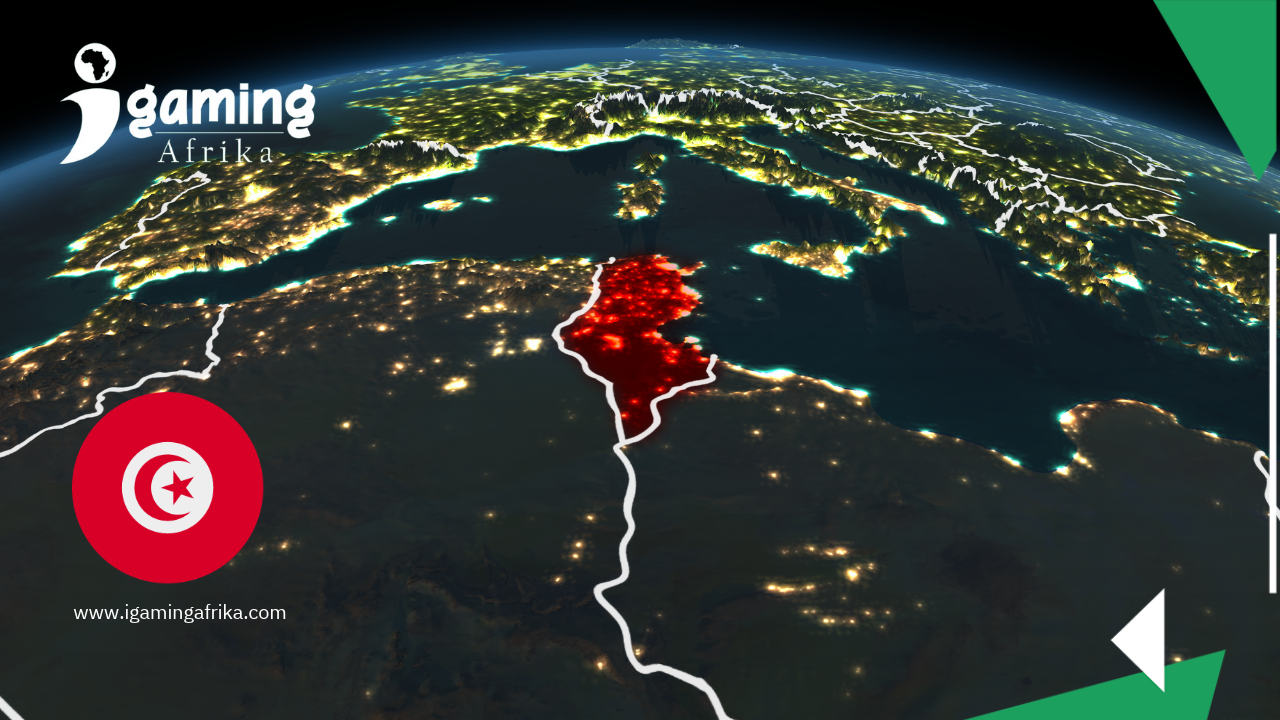
Tunisia’s proposed 60% gaming tax increase fails to pass parliamentary review after lawmakers rejected plans to raise the existing tax on games and competitions from 40% to 60%, dealing a setback to the government’s efforts to generate additional revenue through gaming taxation.


The decision was made by the Finance and Budget Committees of the Assembly of the People’s Representatives (ARP) and the National Council of Regions and Districts (CNRD). Committees rejected Article 24 of the draft Finance Bill for 2027, effectively blocking the proposed tax change from being included in the legislation.
The proposed increase was part of a number of fiscal measures introduced by the government to raise additional resources for the country’s social security system. The broader tax bill was designed to increase financing for the Social Security Diversification Fund by raising contributions from diverse sectors of the economy.
The rejection of Article 24, however, means the proposed 20-percentage-point hike in taxation on games and competitions will not go ahead under the provision as originally presented.




Why did the Proposed Gaming Tax Face Opposition?
The planned tax change has come into focus after the release of information in October from Tunisia’s draft Finance Bill for 2027. During the initial discussions it was not clear whose gaming activities would be subject to the proposed levy if it would apply only to competitions held via phone and SMS services or would it apply to other sections of the gambling industry too.

Read Also: Tunisia Proposes 60% Tax on Gaming in 2027 Finance Bill
Building on the 40% rate set by Tunisia’s 2025 Finance Law, the suggested adjustment would have raised the current tax rate by 20 percentage points.
However, during parliamentary discussions, the initiative encountered opposition. Lawmakers brought out their concerns about depending only on tax increases to solve the nation’s social security funding issues in a statement released by the National Council of Regions and Districts, as reported by Tunis Afrique Presse (TAP).
They argued that raising taxes on a regular basis might offer temporary financial assistance without addressing the fundamental issues plaguing the social security system. Rather, members demanded more extensive changes that would strengthen operational effectiveness, enhance institutional governance, and create a more sustainable financial structure for the funds.
Tunisia’s Gambling Reform Plans Remain Unresolved
Tunisia’s gambling sector is still governed by the 1974 Decree-Law 74-20, with Promosport remaining the only licensed sports betting operator and the Agence Tunisienne de Solidarité managing pari-mutuel horse racing. Bill 2026/009, which would have banned online gambling and punished internet service providers, payment companies and operators that offer access to such services, did not get very far in 2026.
The initiative was tabled by Sports Minister Sadok Mourali in late 2024, but there has been no movement toward a more detailed gambling and sports betting law. Amendments to tackle money laundering and sports manipulation have been made, but the draft has not yet been published.