iGF East Africa 2026 Puts Player Trust, Business Growth, and Regulation Under Scrutiny


A betting operator can spend heavily to acquire a player, offer an attractive welcome bonus, and provide hundreds of betting options, only to lose that player over a delayed withdrawal or a complaint that customer support cannot resolve. It is an expensive weakness in a market where competing platforms are only a few taps away, and one that received considerable attention at iGamingFuture East Africa 2026, held on October 15 at Carnivore Grounds in Nairobi, Kenya.


The problem can begin before a customer places their first bet. An affiliate may attract a prospective player, only for an unsupported payment method or an unsuitable mobile application to prevent that interest from becoming a deposit. Even after registration, unreliable transactions, confusing promotions, and poor support can undermine the investment made in acquiring that customer.
Regulators face similar pressures as they try to keep pace with the industry’s technological advances. In his keynote address, Peter Karimi, Director General of Kenya’s Gambling Regulatory Authority (GRA), called for closer engagement with industry participants and acknowledged gaps in regulators’ technical capabilities. “You also have technological advancement from your side that greatly outpaces our capabilities, and therefore there is work to be done together,” he said.
Karimi stressed that operators and regulators share responsibility for ensuring that gambling remains safe and that customers retain control over their participation. Players, he said, should be “able to control how they play, and most importantly is able to see this as pure entertainment and not an investment opportunity.” He argued that agreement on these principles could support a fair business environment, protect players, and provide the government with consistent revenue.





Player Experience Is Becoming a Test of Product Quality
For Catherine Karanja, Head of Operations at BantuBet, a better betting experience begins with services customers already use. Players expect reliable deposits and withdrawals, clear promotional offers, and access to platforms even when internet connectivity is poor. Additional sportsbook features offer little comfort when those services fail, and a delayed withdrawal can damage a customer’s confidence regardless of how many betting markets or games an operator provides.

She explained that players now want more than an apology or confirmation that their complaint has been resolved. They are increasingly expecting operators to explain what went wrong and whether the problem is likely to recur. “They also want to know why it’s happening. They also want to know, is this something that I should look out for in the future?” she said.

Karanja also questioned the rush to adopt artificial intelligence without first identifying the operational problems it is supposed to solve. She argued that AI can help support teams gather information and analyse customer behaviour, but it cannot compensate for unreliable transactions or poorly coordinated internal processes.
The transition from retail to online betting presents another challenge. Physical shops remain important in markets where connectivity, payment options and established habits favor face-to-face transactions. Operators cannot assume that customers who trust their retail outlets will automatically use their digital platforms.
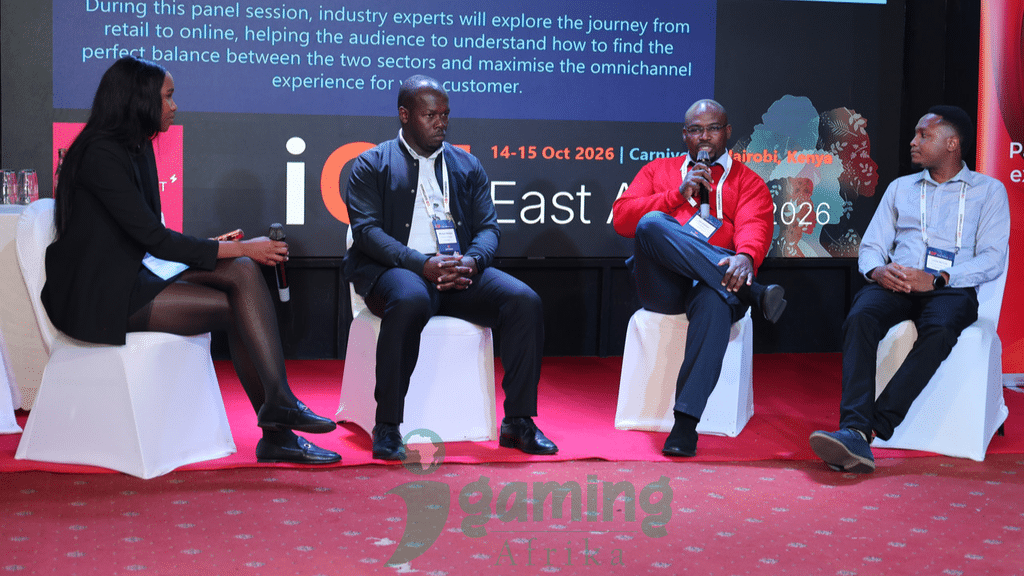
Players accustomed to depositing, collecting winnings, and seeking assistance in person may hesitate to switch if the online experience makes those activities more complicated. Managing both channels therefore requires an understanding of how customers prefer to transact and obtain support.
The same considerations apply when operators expand their sportsbook and casino offerings. More games may look appealing, but their commercial value depends on whether they suit local preferences and give customers reasons to return.
The Cost of Acquiring Players Who Do Not Stay

Eugene Masika, Affiliate Manager at Melbet, Kevin Pascal, Head of Affiliates at AfroPari, and Charles Kiama, Head of Affiliates at 888Starz, examined the quality of traffic affiliates bring to betting operators and the difficulties that affect conversion.
A Telegram channel with thousands of subscribers may attract an operator’s interest, but its commercial value depends on how many followers register, deposit, and remain active. First-time depositors, registration-to-deposit conversion rates, deposit values, and repeat activity offer a more reliable measure of performance than audience size alone. An affiliate with a smaller but engaged following may ultimately deliver better results than one generating thousands of registrations with little subsequent betting activity.
Operators also need to ensure their products are suitable for the customers affiliates are expected to attract. Without mobile applications compatible with iOS and Android, locally preferred payment methods and sufficient brand awareness, affiliates may struggle to turn interest into deposits. These shortcomings can make a brand difficult to promote regardless of the size or quality of an affiliate’s audience.
Payment arrangements have created further friction. Operators are wary of paying upfront after cases in which affiliates received fees but failed to deliver, while affiliates face the cost and effort of attracting customers, particularly those already using competing platforms. Hybrid commission arrangements, combining fixed payments with performance-based earnings, were discussed as a possible compromise. However, both parties need clarity on how results are measured, which player activities qualify for commission, and how payments are calculated.
The panelists also addressed the limited practical support available to some affiliates. Marketers who enter programs without sufficient knowledge of the products they promote may struggle to explain platform features or respond to customer difficulties. Training communities, live demos, and closer cooperation with operators and platform providers were proposed to improve product knowledge and provide assistance when technical problems arise.
East African Regulators Confront the Limits of Harmonisation
On regulation, the discussion centered on what East African countries could realistically harmonise. Denis Mudene Ngabirano of Uganda’s National Lotteries and Gaming Regulatory Board and Kabora J. E. Mboya of the Gaming Board of Tanzania identified technical standards and responsible gambling as areas where authorities could work towards common requirements. This would give operators more certainty across markets without requiring countries to adopt identical laws or give up control over licences.
Taxation was harder to reconcile because each government sets its own fiscal policy. The discussion nevertheless acknowledged operators’ concerns about the combined cost of taxes and compliance, particularly when unlicensed competitors avoid those obligations. Regulators must consider how that burden affects licensed businesses’ ability to compete while ensuring that players remain protected.
For authorities to make informed decisions about those obligations, they need regular access to the businesses and technology they oversee. New products can fall beyond the scope of existing legislation, which makes dialogue with operators and suppliers necessary to establish where rules need revision. Panellists also called for greater investment in African technical expertise and locally developed solutions to reduce the sector’s dependence on international suppliers.
Women in Gaming Want Greater Influence
The “Women in iGaming” discussion addressed the gap between female representation in the workforce and participation in senior management and business decisions. Employing more women does not necessarily improve their prospects if they remain concentrated in positions with limited opportunities for advancement.
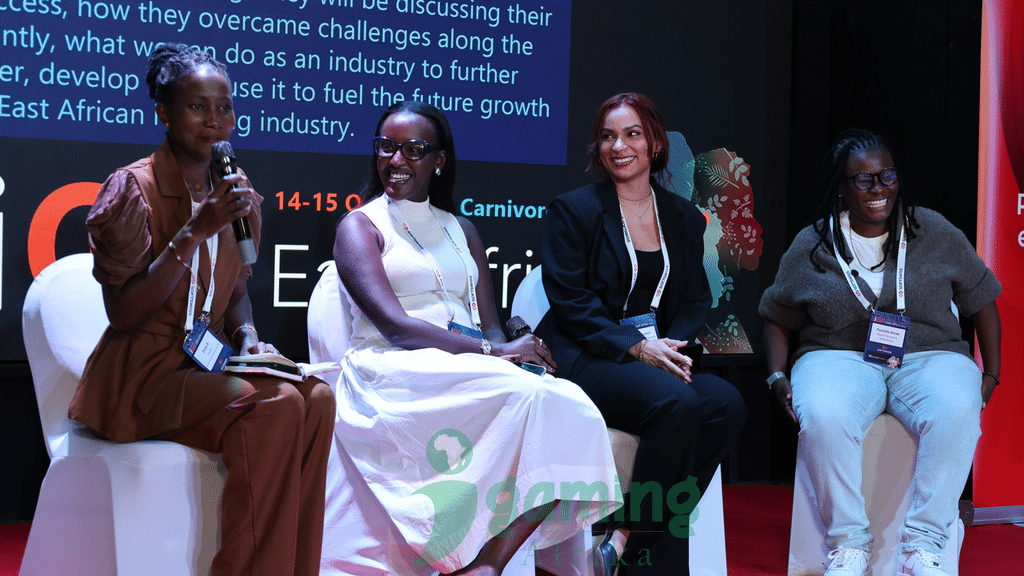
Recruitment may improve workforce representation, but advancement also depends on mentorship, professional development, and opportunities to demonstrate leadership ability.
Wanyama and Mariga Urge Betting Firms to Back Grassroots Football
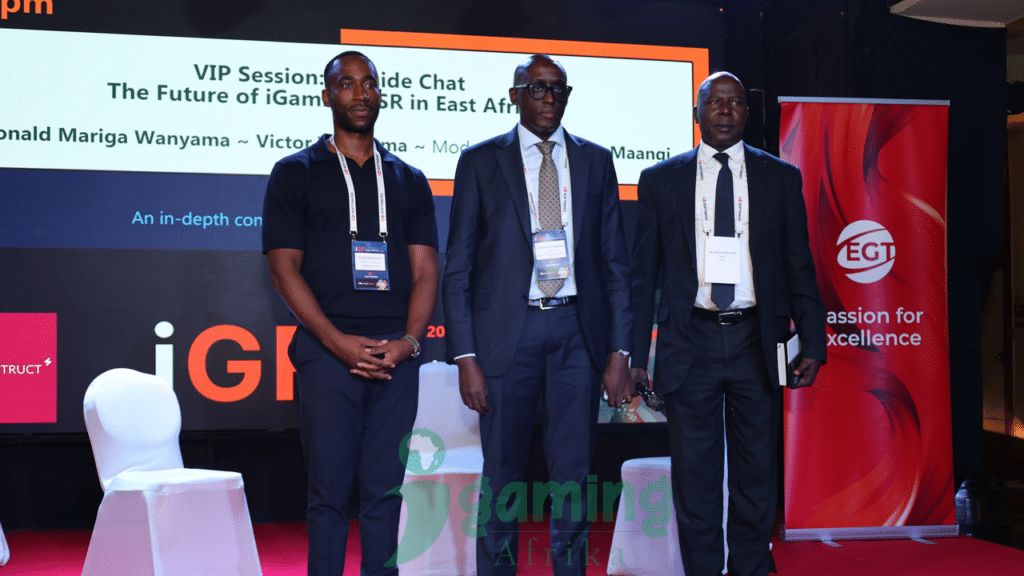
In a session moderated by Jeremiah Maangi, CEO of iGaming AFRIKA, former Harambee Stars players Victor Wanyama and McDonald Mariga, who now serves as Vice President of the Football Kenya Federation, challenged betting companies to extend their investment in football to the facilities, youth programs, and player welfare that sustain the sport.
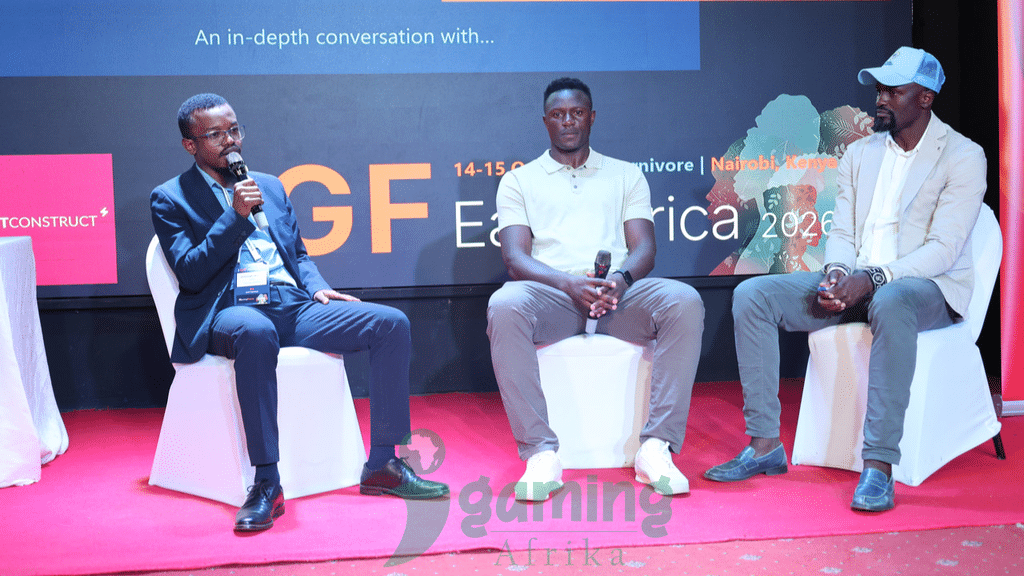
The fireside chat challenged betting companies to support football beyond major sponsorships by pooling resources for community pitches, equipment, and academies. Speakers linked inadequate pay to players’ vulnerability to match-fixing and urged clubs to attract sponsors through professional marketing and closer engagement with supporters.